



Urban areas around the globe are facing a multitude of sustainability challenges, from pollution and waste management to energy consumption and transportation issues.
As cities continue to grow, finding innovative solutions to these problems becomes increasingly crucial.
This blog explores 10 innovative solutions that are paving the way for urban sustainability, aiming to create more livable, resilient, and efficient cities for the future.
Green Infrastructure
Green infrastructure involves the integration of natural vegetation and surfaces within urban settings. This approach includes the development of green roofs, urban forests, parks, and green walls.
Smart Grids and Renewable Energy
Smart grids, combined with renewable energy sources such as solar and wind power, are transforming the energy landscape of cities. These technologies allow for more efficient energy distribution, reducing waste and dependency on fossil fuels.
Smart grids also enable households and businesses to generate their own electricity and sell excess power back to the grid, fostering a more sustainable and resilient energy system.
Sustainable Transportation

Sustainable transportation is a critical component of creating more livable, efficient, and environmentally friendly urban areas.
- Cycling lanes encourage biking by providing safe, designated pathways, reducing reliance on cars and promoting physical health.
- Pedestrian zones enhance urban spaces by limiting car access, improving air quality, and fostering a more active, community-oriented environment.
- Electric and hybrid vehicles reduce emissions and dependence on fossil fuels, supported by expanding charging infrastructure and incentives.
Public transport systems powered by clean energy offer a greener alternative
By shifting away from reliance on fossil fuels and embracing cleaner, more efficient modes of transportation, cities can tackle several pressing issues including air pollution, traffic congestion, and greenhouse gas emissions. Here’s a deeper exploration of the points mentioned, along with additional insights to provide a more comprehensive understanding of sustainable transportation methods.
Waste-to-Energy Technologies
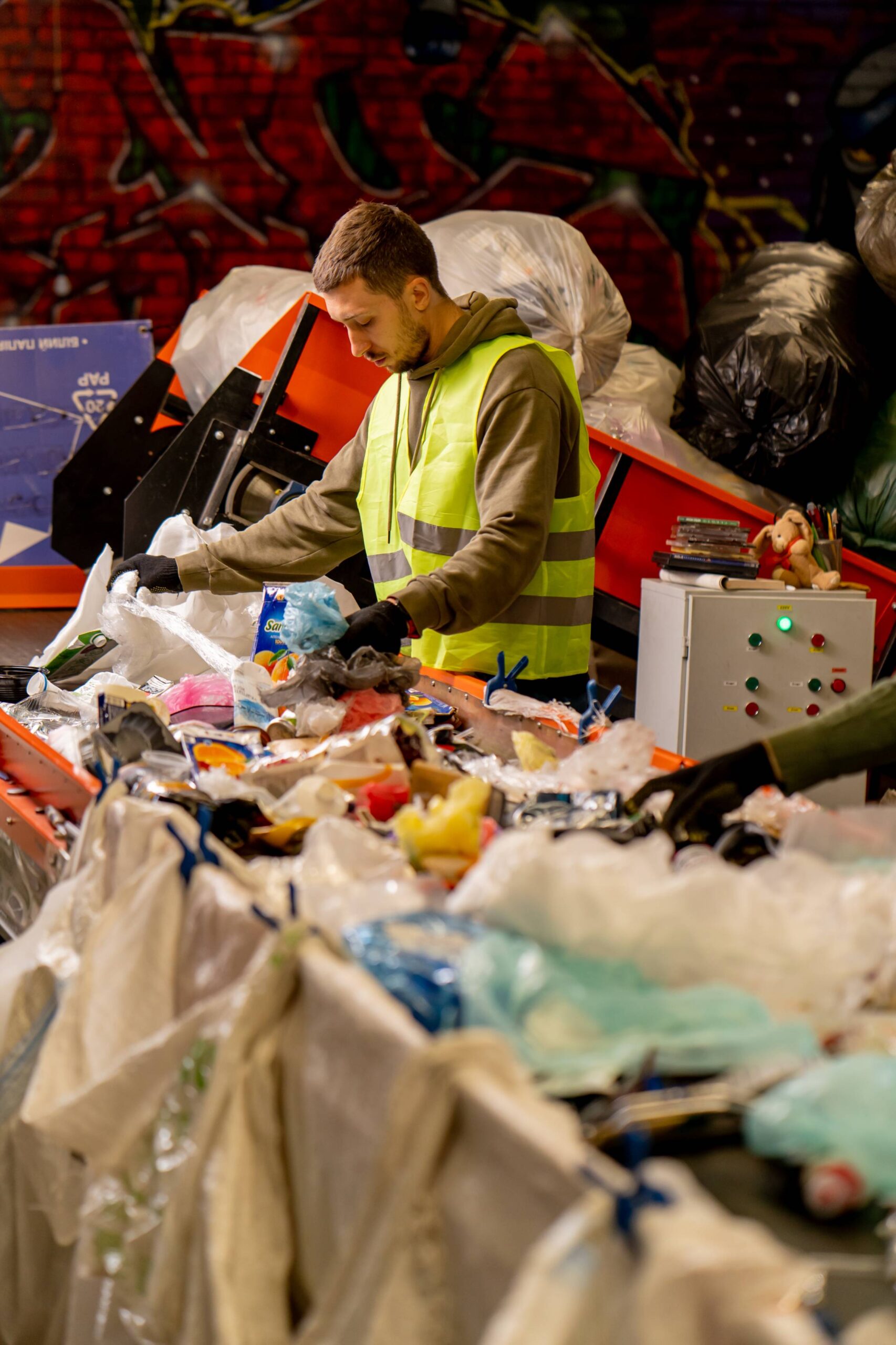
Waste-to-Energy (WTE) technologies represent a critical component in the shift towards more sustainable urban environments by addressing two pressing challenges simultaneously: effective waste management and the generation of renewable energy.
This comprehensive approach not only mitigates the environmental impact of urban waste but also contributes to the diversification and sustainability of a city’s energy portfolio. Here, we delve deeper into WTE technologies, exploring their methods, benefits, and potential impact on urban sustainability.
Water Reuse and Management
Water reuse and management are critical components of urban sustainability, as they address the dual challenges of water scarcity and pollution.
Rainwater harvesting is the process of collecting and storing rainwater for reuse before it reaches the ground.
This technique can be implemented in urban areas through the installation of rooftop catchment systems, which direct rainwater to storage tanks. The collected water can then be used for various non-potable purposes such as watering gardens, flushing toilets, and replenishing groundwater.
Here’s what we know – and don’t – about Tech’s Novel Use.
- Integrating residential, commercial, and recreational spaces to minimize transportation needs.
- Utilizing design and materials that reduce energy consumption and lower carbon footprints.
- Embedding green spaces, parks, and green infrastructure within urban areas to enhance biodiversity and air quality.
1. Greywater Recycling
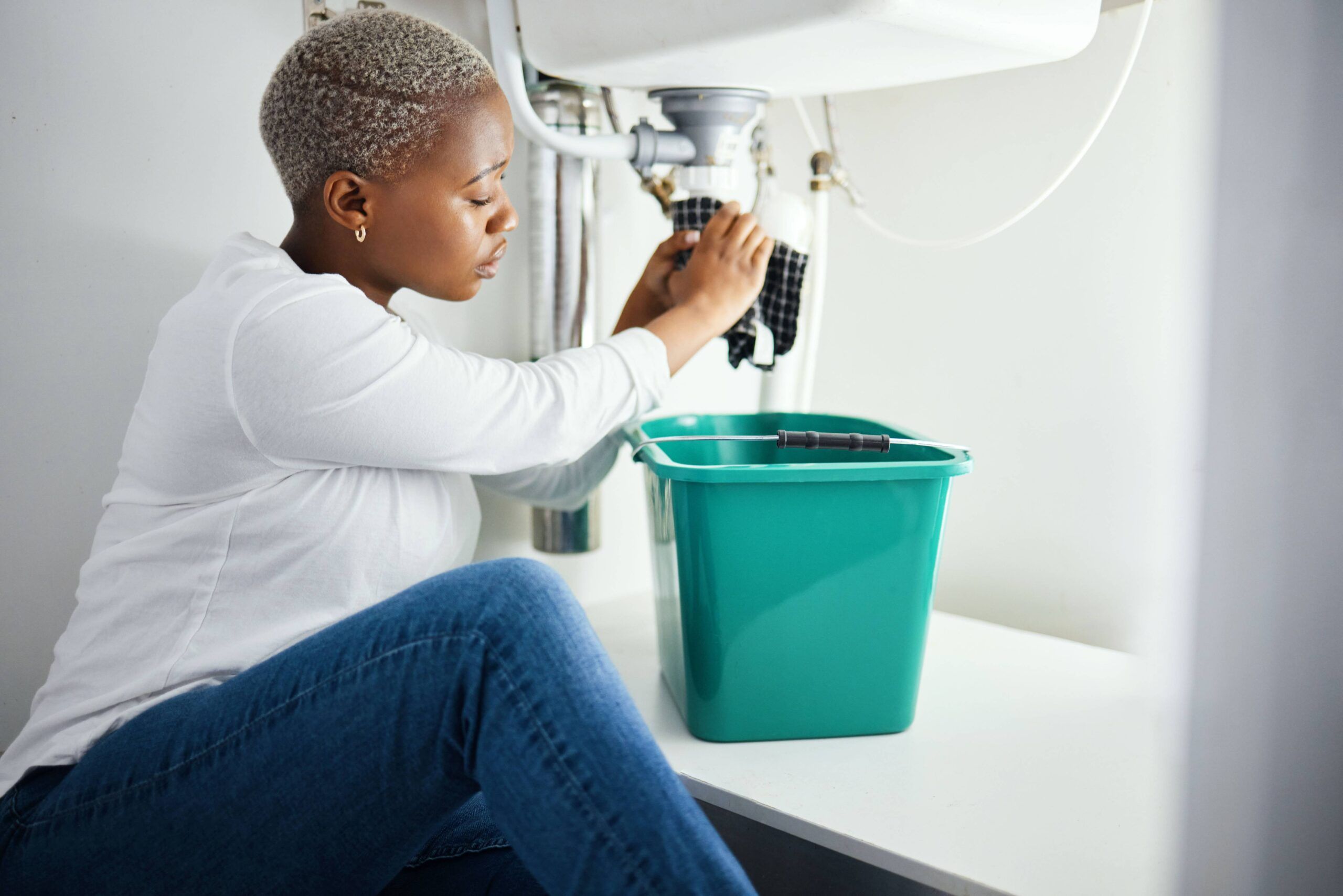
Greywater refers to the relatively clean wastewater from baths, sinks, washing machines, and other kitchen appliances, excluding toilet waste. Greywater recycling involves capturing this water and reusing it for purposes like irrigation and flushing toilets.
This system significantly reduces the consumption of fresh water in urban households and buildings.
Implementing greywater recycling requires a separate plumbing system to collect and treat greywater to a safe level for its intended reuse. It presents a practical solution for water conservation in densely populated areas, where water demand is high.
2. Advanced Wastewater Treatment

Advanced wastewater treatment technologies go beyond primary and secondary treatment processes to further remove contaminants from wastewater before it is released back into the environment or reused.
These technologies can include membrane filtration, ultraviolet (UV) disinfection, reverse osmosis, and biological nutrient removal processes. They are designed to tackle pollutants that traditional treatment methods may leave behind, such as pharmaceuticals, chemicals, and heavy metals.
Smart Irrigation Systems
Smart irrigation systems use technology to optimize water use in urban agriculture and landscaping. These systems can adjust watering schedules based on real-time data, such as soil moisture levels, weather forecasts, and plant water requirements. Smart irrigation can significantly reduce water wastage by ensuring that plants receive the exact amount of water they need, at the right time.
- These systems can be controlled remotely via smartphones or computers.
- The adoption of smart irrigation contributes to the overall reduction.
- Urban water consumption and plays a crucial role in achieving sustainable.
- For urban areas to fully benefit from these water reuse and management strategies, a holistic.
For instance, combining rainwater harvesting with greywater recycling can maximize the reuse of water within a building or community.
Similarly, applying advanced wastewater treatment allows for the safe recycling of wastewater for various purposes, including agricultural and industrial use, further conserving fresh water resources.
