



In the mobile technology landscape, two giants stand tall: Android and iOS. These operating systems power the vast majority of smartphones today.
Each boasting unique features, philosophies, and ecosystems. This comprehensive article delves into various aspects to help you understand which operating system might suit you best.
Android and iOS, such as ease of use, available apps, security, customization, and cost of ownership, to provide users with a better understanding and help them make the right decision.
Ease of Use: User Interface and Usability
Developed by Google, Android is renowned for its flexibility and customization, Apple’s iOS shines in its simplicity and streamlined user interface.
App Availability and Ecosystem
Android: The Google Play Store is Android’s marketplace, hosting millions of apps. Its open nature encourages a vast array of applications, from utilities to games, ensuring users have access to an extensive selection.
iOS: The App Store is the heart of iOS’s app ecosystem, known for its stringent app review process, ensuring that apps meet high-quality standards.
Security and Privacy

Security and privacy are paramount concerns in the digital age, especially when choosing between Android and iOS:
- Open-source Flexibility vs. Security Vulnerabilities: Android’s open-source nature fosters innovation and customization but also opens doors for potential security vulnerabilities.
- Fragmented Update Ecosystem: The diversity of Android device manufacturers leads to a fragmented update process.
- Third-party App Stores: Android’s allowance for third-party app installations provides users with a broader selection of applications but also increases the risk of encountering malicious software.
Despite these challenges, Android has made significant strides in enhancing security.
One of iOS’s most significant security advantages is its ability to push updates directly to all compatible devices. This uniformity ensures that security patches and system improvements are rapidly deployed, protecting users from emerging threats.
Customization
Android stands out in the customization arena, offering users the freedom to alter almost every aspect of their device’s interface. From custom ROMs to third-party apps that change the entire look and feel

Historically, iOS offered limited customization options. However, recent updates have introduced more flexibility, including widgets on the home screen and the ability to change default apps for certain tasks. While still not as open as Android, iOS has made strides in offering users more control over their devices.
Device Selection
Android’s diverse ecosystem includes devices from various manufacturers, covering a wide price range. This diversity ensures that there’s an Android device for every budget.
pple’s iOS powers only Apple devices, which are generally positioned in the premium segment.
While this means a higher initial cost, Apple products maintain high resale values and are supported with updates for many years, potentially offering better long-term value.
App Store Review Process
- All apps must undergo a rigorous review process before they are available.
- The App Store, significantly reducing the risk of malicious software being distributed.
- Apple provides regular updates to iOS, including security patches.
1. IOS Security and Privacy
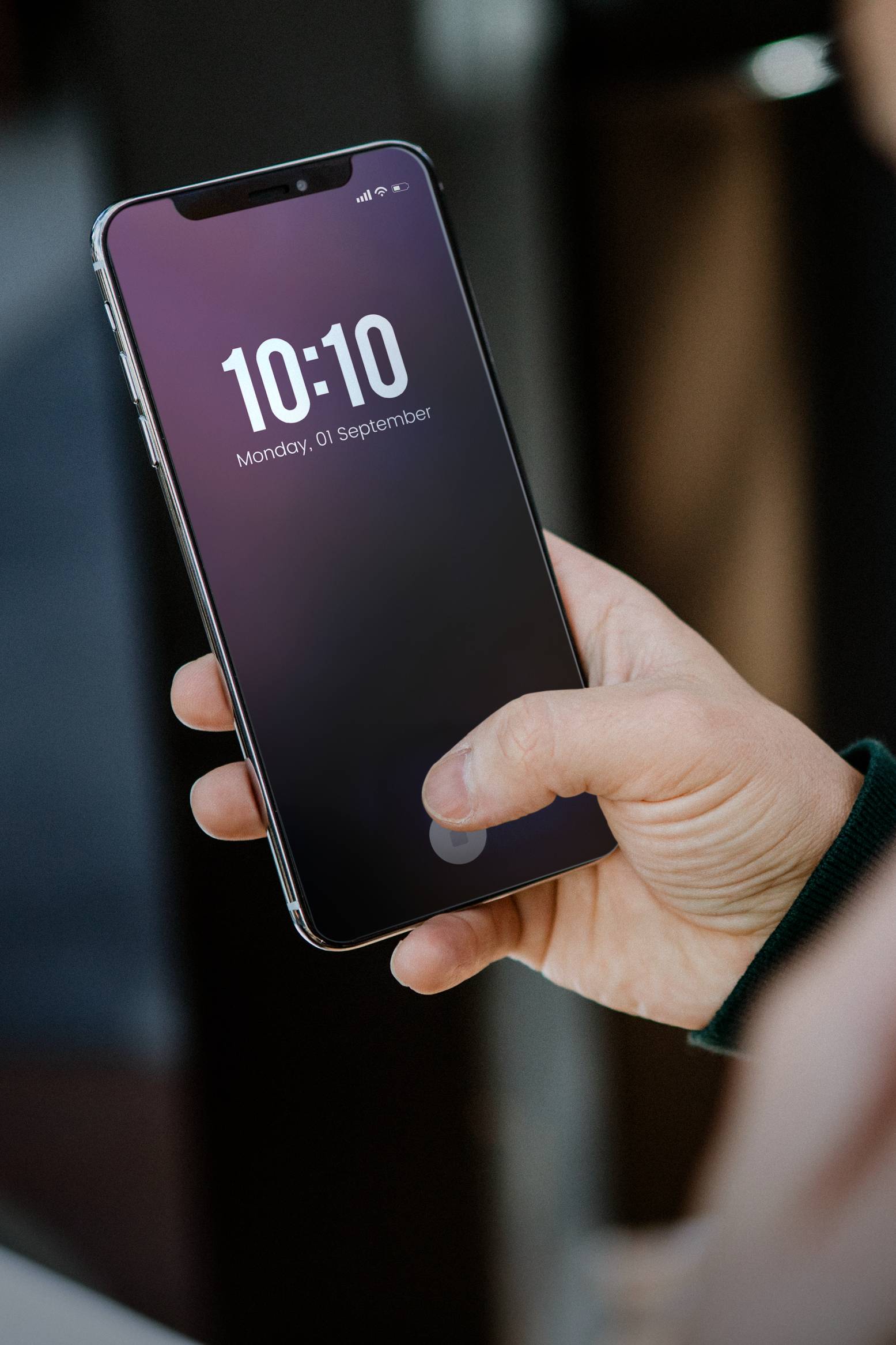
iOS offers robust privacy controls, allowing users to limit app access to personal data. With each update, Apple continues to introduce new privacy features, like the App Tracking Transparency framework, which requires apps to get user permission before tracking their activity across other companies’ apps and websites.
Moreover, iOS does not allow the installation of apps from outside the App Store
while both Android and iOS take serious measures to protect users’ security and privacy, their approaches and the effectiveness of these measures differ. Android offers more customization and flexibility.
2 .Cost of Ownership

Android’s diverse ecosystem includes devices from various manufacturers, covering a wide price range. This diversity ensures that there’s an Android device for every budget, from affordable entry-level models to high-end flagships.
Apple’s iOS powers only Apple devices, which are generally positioned in the premium segment. While this means a higher initial cost, Apple products maintain high resale values and are supported with updates for many years, potentially offering better long-term value.
Conclusion: Which is Better?
The choice between Android and iOS boils down to personal preference and priorities. If you value customization, a wide selection of devices, and don’t mind a bit of complexity
- Android could be your go-to.
- On the other hand, if you prefer simplicity
- Ultimately, both platforms offer compelling features
- Their own strengths and weaknesses.
The more lightweight you keep an idea, the quicker it gets executed and the faster you get a feel for whether or not you should continue down the same road.
Security and privacy are paramount concerns in the digital age, especially when choosing between Android and iOS operating systems for your smartphone.
