



The evolution of financial transactions over the centuries has been remarkable, from barter systems to metal coins, paper currency, and now, digital payments.
In today’s digital era, the debate between cash payments and digital payments is increasingly pertinent, with both methods offering distinct advantages and presenting unique challenges.
This article aims to delve deeply into the nuances of cash and digital payments, comparing their benefits, drawbacks, and their impact on society and the economy.
The Essence of Cash Payments
Cash payments have been the cornerstone of financial transactions for millennia. The tangible exchange of banknotes and coins for goods and services is a practice deeply ingrained in human civilization.
Advantages of Cash Payments
Cash is universally accepted across the globe, making it the most reliable form of payment, especially in regions with limited access to technology.
Cash transactions offer a level of anonymity, as they do not require personal information and leave no digital trace. With cash, the transaction is settled immediately, without the need for intermediaries or the risk of delayed processing.
Disadvantages of Cash Payments

Here are some disadvantages of cash payment.
- Security Risks: Carrying cash can be risky, as it is susceptible to theft and loss. Large amounts of cash can be particularly cumbersome and insecure.
- Inconvenience: For large transactions, dealing with cash can be impractical. Additionally, obtaining change for large denominations can be a hassle.
- No Financial Incentives: Cash payments typically do not offer rewards, cashbacks, or any form of financial incentives that digital payments do.
Let’s delve deeper into these drawbacks to understand their implications better.
One of the most prominent disadvantages of using cash is the inherent security risks it carries. Unlike digital transactions, where advanced security measures can protect users’ funds, cash is physically vulnerable.
Inconvenience
While cash might seem convenient for small, everyday transactions, its practicality diminishes with larger amounts and in certain transaction contexts.

Buying high-value items, such as vehicles or real estate, with cash is highly impractical. It involves physically carrying large sums, which is risky and inconvenient for both the buyer and the seller. Cash transactions often necessitate the need for change.
No Financial Incentives
Unlike digital payments, cash transactions do not offer direct financial incentives to the users. This lack of incentives can be seen as a missed opportunity for consumers.
Many digital payment platforms and credit card companies offer rewards, cashbacks, or points for transactions made through their systems. These incentives can lead to significant savings over time.
Beyond incentives, digital payments often come with tools and features that aid in personal financial management. Users can track spending, set budgets, and analyze their financial habits.
The Rise of Digital Payments
- Digital payments can be made 24/7 from anywhere in the world.
- Features such as encryption, biometrics, and two-factor authentication
- Many digital platforms incentivize users with rewards.
1. Disadvantages of Digital Payments
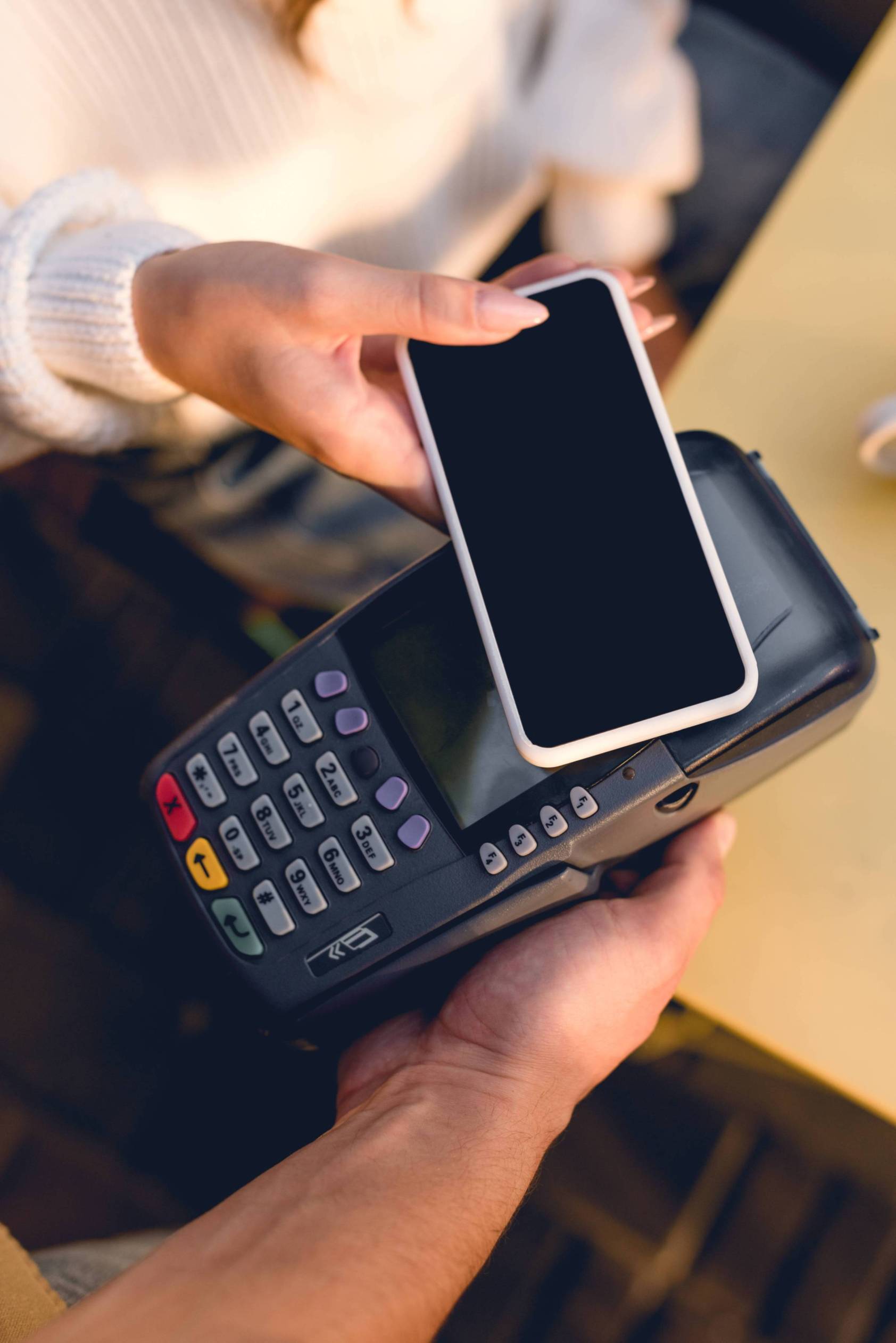
Digital payments are inherently linked to the presence of a robust technological infrastructure, which includes reliable internet access, electricity, and modern devices capable of conducting digital transactions.
In regions where technological infrastructure is lacking or unreliable, digital payments can be challenging or impossible.
This limitation affects rural and underdeveloped areas the most, where the digital divide can exacerbate existing economic inequalities by restricting access to the digital economy.
2. Transaction Fees

While digital payments offer seamless transactions, they can come with various fees that can accumulate over time, affecting the overall cost-effectiveness of digital financial transactions.
Many digital payment platforms or banks charge fees for certain transactions, especially when transferring money between different services or withdrawing cash.
Privacy Concerns
The digital footprint left by digital transactions brings to the forefront issues related to privacy and data security, concerns that are increasingly significant in an era where data breaches are not uncommon.
- Every digital transaction leaves a trail that can be traced back to the individual.
- Raising concerns about surveillance and the potential for financial profiling by corporations or governments.
- Digital payment platforms collect and store vast amounts of personal and financial data.
- This data, if not adequately protected, is vulnerable to hacking and breaches.
Despite the significant advantages of digital payments, including convenience, speed, and the promotion of a cashless society, the disadvantages highlight critical areas for improvement.
Enhancing technological infrastructure, especially in underdeveloped regions, reducing or eliminating transaction fees, and strengthening privacy and data security measures are essential steps toward mitigating these drawbacks.
