



In the quest to mitigate the environmental challenges that threaten the very fabric of our ecosystem, green technology has emerged not just as a field of innovation
Green technology, often referred to as sustainable technology, is an umbrella term that encompasses a vast range of innovations aimed at preserving the environment, reducing carbon footprints, and making the planet a healthier place for future generations.
The rise of environment-friendly technology is not just a trend; it’s a crucial shift in how we interact with our environment, aiming to mitigate the adverse effects of human activity on the planet.
The Essence of Green Technology
In the 21st century, the urgency to transition towards more sustainable practices has become paramount as we face global environmental crises like climate change, loss of biodiversity, and pollution.
You Truly Believed In Justice
Taking a deep dive into the importance of green technology reveals its multifaceted role in addressing some of the most pressing environmental issues, fostering sustainable development, and paving the way for a resilient future.
The significance of green technology transcends mere environmental benefits; it encompasses economic, social, and health-related advantages, making it a cornerstone for sustainable living.
Combating Climate Change

Here are key points that highlight the importance and impact of green technology in combating climate change:
- Reduction of Carbon Footprint: Shifting from fossil fuel-based energy sources to renewable energy sources like solar, wind, hydro, and geothermal power significantly reduces carbon dioxide emissions
- Sustainability: Renewable energy sources are sustainable and inexhaustible, offering a long-term solution to energy needs without depleting natural resources or harming the environment.
- Efficient Use of Resources: Green technologies such as LED lighting, energy-efficient appliances, and smart grids help in reducing energy consumption and wastage, making the most of the energy produced.
Implementing green building practices, including proper insulation, energy-efficient.
Promoting the use of electric vehicles, which run on clean electricity, reduces reliance on oil and cuts down on transportation-related emissions. Encouraging the use of public transportation, cycling, and walking reduces the number of vehicles on the road, which in turn lowers greenhouse gas emissions.
Carbon Capture and Storage (CCS)
Technologies that capture carbon dioxide emissions from sources like power plants and industrial processes, and then store them underground or use them for other applications, can significantly reduce the amount of CO2 released into the atmosphere.
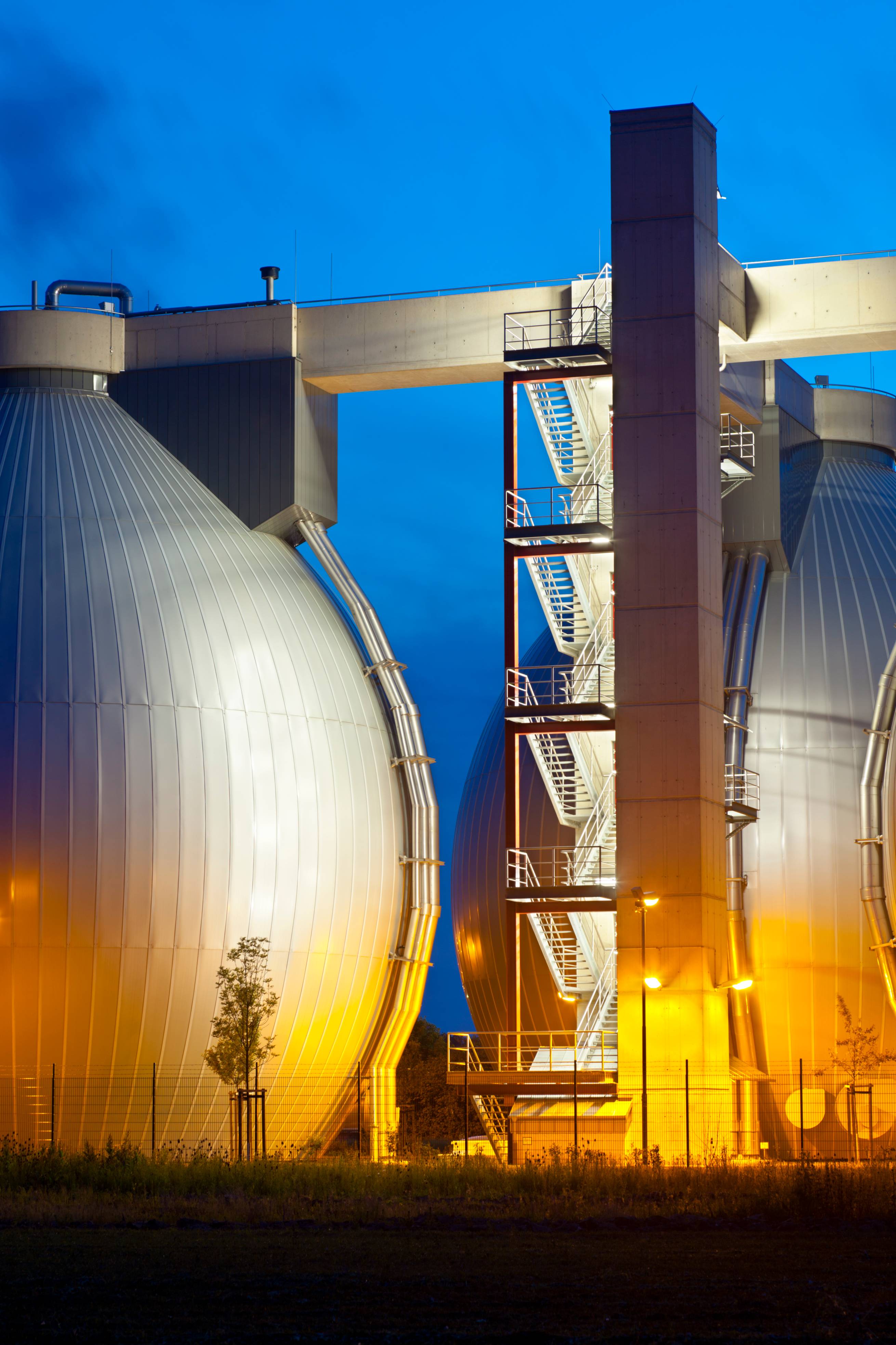
Protecting and expanding forests, wetlands, and other natural ecosystems that absorb CO2 from the atmosphere helps offset emissions and plays a vital role in climate change mitigation.
Sustainable Agriculture and Land Use
Implementing sustainable agricultural practices can reduce methane emissions from livestock and rice paddies, which are significant sources of greenhouse gases.
Techniques like no-till farming, reforestation, and afforestation increase the amount of carbon stored in the soil, helping to remove CO2 from the atmosphere.
Supporting and adhering to international agreements like the Paris Agreement encourages countries to set and achieve ambitious targets for reducing greenhouse gas emissions. Governments can play a crucial role by providing incentives for renewable energy projects.
Raising Awareness and Education
- Educating the public about the impacts of climate.
- Fostering collaboration between governments, and industries.
- The efforts to combat climate change and facilitate the sharing of knowledge.
1. Conserving Natural Resources

Our planet’s natural resources are finite, and the relentless exploitation of these resources has led to depletion and degradation. Green technology plays a crucial role in conserving natural resources through efficient use and innovative recycling methods. Technologies that enable the reuse of materials, efficient water usage, and sustainable agriculture practices ensure
we can meet our current needs without compromising the ability of future generations to meet theirs.
The link between environmental health and public health is undeniable. Pollution from industrial activities, vehicular emissions, and the use of fossil fuels contributes to poor air quality, water contamination, and soil degradation.
2. Economic Benefits

Adopting green technologies also has significant economic benefits. While the initial investment in green technology can be high, the long-term savings in energy costs, the reduction in healthcare expenses due to cleaner environments,
The green technology sector is rapidly growing, offering opportunities for innovation, entrepreneurship, and employment in industries focused on sustainability.
Addressing the Challenges
“Addressing the Challenges” refers to the process of identifying, acknowledging, and finding solutions for various problems or obstacles that arise in different contexts, whether it’s in business, technology, personal life, or any other area.
- High upfront costs for green technologies can be a barrier for individuals and businesses.
- Some green technologies are still in developmental stages and may not yet be viable for widespread use.
- Adequate government policies and incentives are essential to promote the adoption of green technologies.
- Achieving a sustainable future requires significant changes in how individuals.
The first step is recognizing and clearly defining the specific challenges or issues at hand. This requires a thorough understanding of the problem and its root causes.
Once identified, challenges should be analyzed to determine their impact and potential consequences. Assessing the severity and urgency of each challenge helps in prioritizing them.
