




Cats are often admired for their striking eyes, which seem to hold a world of mystery within them. These captivating orbs not only add to their charm but also serve as vital sensory organs.
Guiding them through their environment and providing crucial information about their surroundings. As a devoted cat owner, it’s your responsibility to prioritize the care of your feline friend’s eyes,
Ensuring they remain healthy, vibrant, and free from discomfort. In this comprehensive guide, we’ll delve deep into the topic of cat eye care, covering everything from basic anatomy to common issues, preventive measures.
Understanding Cat Eye Anatomy
Cats possess a fascinating and complex ocular structure that contributes to their exceptional visual abilities. By understanding the anatomy of a cat’s eye, you can gain insight.
Cornea
he cornea is the transparent, dome-shaped outer layer of the eye that covers the iris and pupil. It acts as a protective barrier, helping to shield the delicate inner structures of the eye from damage.
The cornea also plays a crucial role in refracting light onto the lens, contributing to the cat’s ability to focus on objects at different distances.
Iris and Pupil
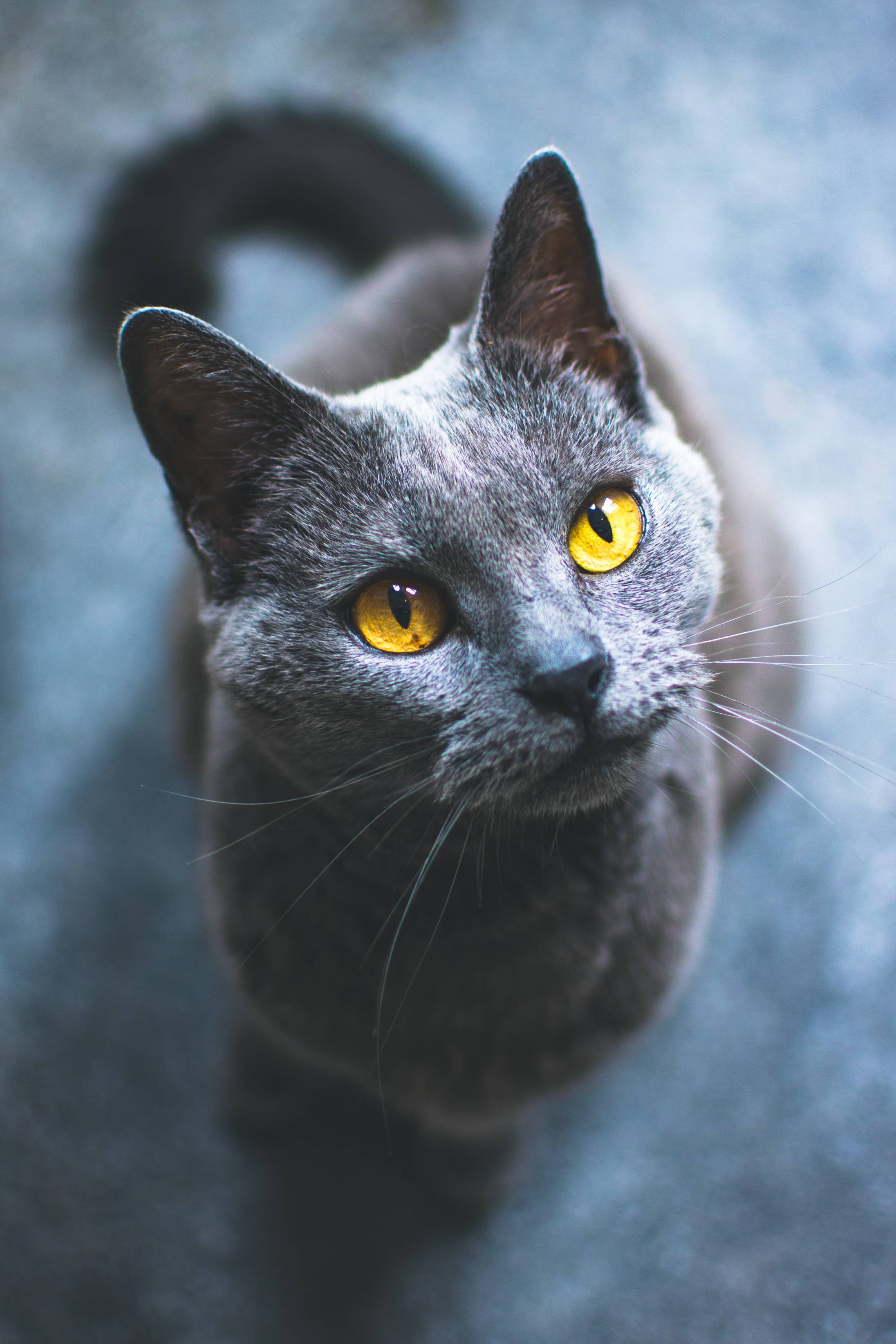
Here’s a detailed explanation of the key components of a cat’s eye:
- Iris and Pupil: The iris is the colorful, pigmented part of the eye that surrounds the pupil, which is the black center of the eye. Unlike humans, who have round pupils, cats have vertically.
- Lens: Located behind the iris, the lens is a clear, flexible structure that helps focus light onto the retina, enabling the cat to form sharp, clear images.
- Retina: The retina is a thin layer of tissue that lines the back of the eye and contains millions of light-sensitive cells called photoreceptors. These photoreceptors, known as rods and cones
Rods are responsible for low-light vision and motion detection, while cones enable color vision and visual acuity.
Cats possess a specialized layer of tissue called the tapetum lucidum located behind the retina. This iridescent layer reflects light that passes through the retina, giving cats their distinctive ability to see in low-light conditions.
Optic Nerve
The optic nerve is a bundle of nerve fibers that carries visual information from the retina to the brain, where it is processed and interpreted. This vital pathway enables cats to perceive and respond to their environment based on visual stimuli.

By appreciating the intricate anatomy of a cat’s eye, you can better understand the mechanisms underlying their extraordinary visual capabilities. Each component of the feline ocular system plays a crucial role in facilitating clear vision, adapting to changes in light conditions, and enhancing overall visual acuity.
Common Eye Problems in Cats
Cats, like humans and other animals, can experience a variety of eye problems throughout their lives. These issues can range from minor irritations to serious conditions that require prompt veterinary attention.
Recognizing the signs of common eye problems in cats is essential for ensuring timely intervention and treatment.
Conjunctivitis is a common eye condition in cats characterized by inflammation of the conjunctiva—the thin, transparent membrane that covers the inner surface.
Corneal Ulcers
- Corneal ulcers in cats can have multiple underlying causes.
- Cats with corneal ulcers may exhibit various signs.
- These symptoms can include squinting, blinking excessively, pawing.
1. Diagnosis
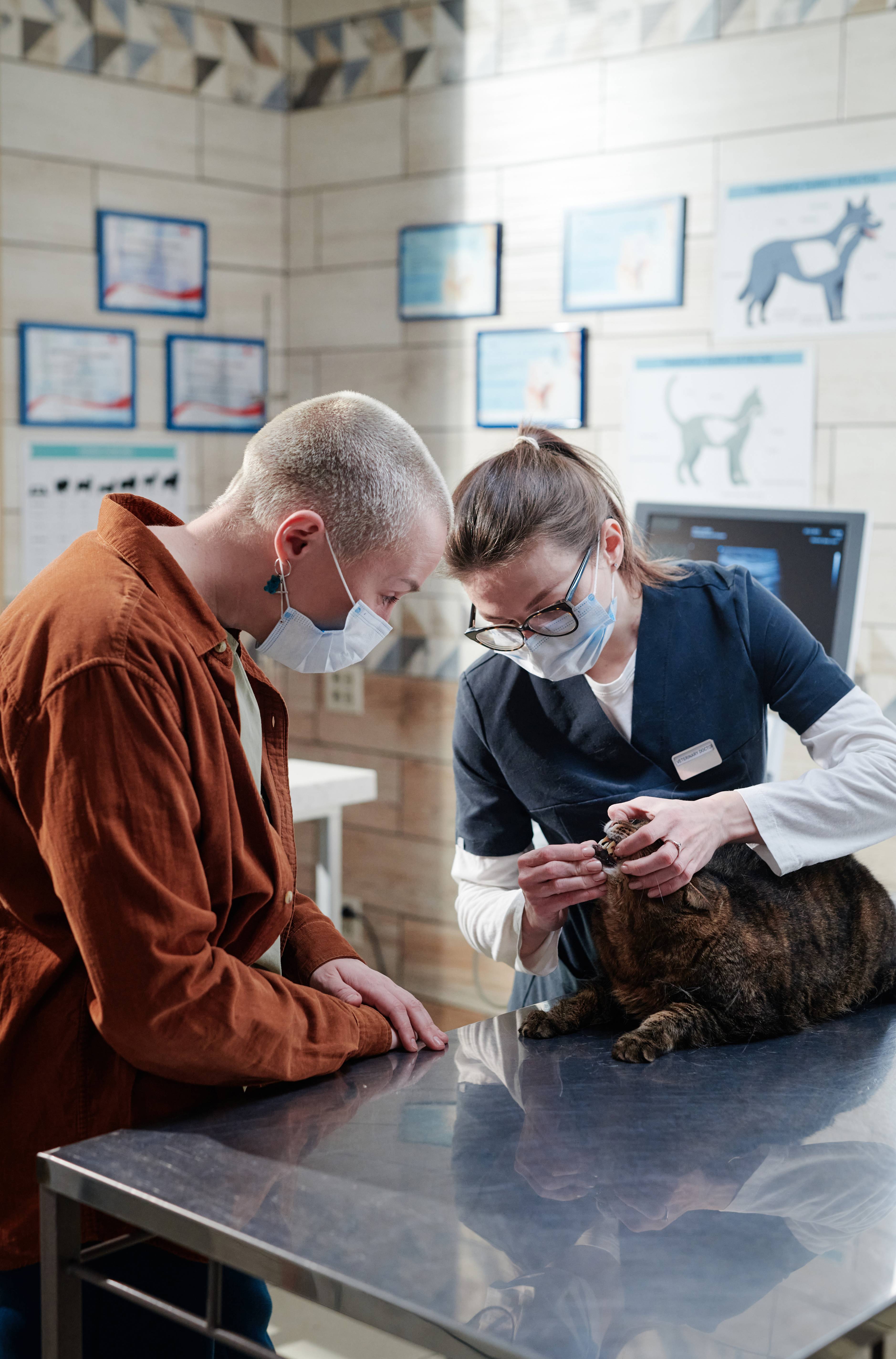
Diagnosing corneal ulcers in cats involves a thorough evaluation of the eye by a veterinarian to identify the presence, severity, and underlying causes of the condition. Prompt and accurate diagnosis is crucial for initiating appropriate treatment and preventing potential complications.
he diagnostic process often begins with a comprehensive physical examination of the cat, including a close inspection of the eyes.
The veterinarian will observe the cat’s behavior and look for signs of ocular discomfort or irritation, such as squinting, blinking excessively, pawing at the eyes, tearing, or redness.
2. Ophthalmic Examination

A detailed ophthalmic examination is essential for assessing the health of the eyes and identifying any abnormalities.
The veterinarian may use specialized equipment such as an ophthalmoscope to examine the structures of the eye, including the cornea, iris, lens, and retina. They will evaluate the appearance of the cornea for signs of inflammation, opacity, or damage.
Tips for Cat Eye Care
Now that we’ve covered some common eye problems in cats, let’s explore practical tips to help you safeguard your feline companion’s ocular health. Schedule routine check-ups with your veterinarian to monitor your cat’s overall health, including their eyes. Your vet can conduct thorough eye exams to detect any potential issues early on.
- Feed your cat a balanced diet rich in essential nutrients.
- Consult your veterinarian for recommendations.
- Keep your cat’s eyes clean by gently wiping away.
- Provide your cat with plenty of mental and physical stimulation.
Pay close attention to any changes in your cat’s eye appearance or behavior, such as squinting, redness, or excessive tearing.
Minimize your cat’s exposure to potential eye irritants such as cigarette smoke, dust, and pollen, which can exacerbate existing eye conditions or lead to new problems if not properly managed.