



In the quest for knowledge and skill acquisition, individuals often find themselves at a crossroads, choosing between the structured pathway of formal education and the self-directed journey of self-learning.
This comprehensive exploration seeks to dissect these two dominant modes of learning, highlighting their distinct characteristics, advantages, limitations and the potential synergy between them in the modern educational landscape.
he debate between self-learning and formal education as the best route for knowledge acquisition is a testament to the variety of learning paths available.
The Essence of Formal Education
Formal education, the cornerstone of traditional learning pathways, is defined by its structured educational systems ranging from primary schools to tertiary institutions like colleges and universities.
Institutional Framework
Formal education is institutionalized, meaning it takes place within establishments dedicated to education, governed by regulatory bodies that ensure the quality and standardization of the curriculum.
These institutions are not just physical spaces but ecosystems designed to facilitate learning through a combination of academic instruction, practical exercises, and social interaction.
Standardized Curriculum
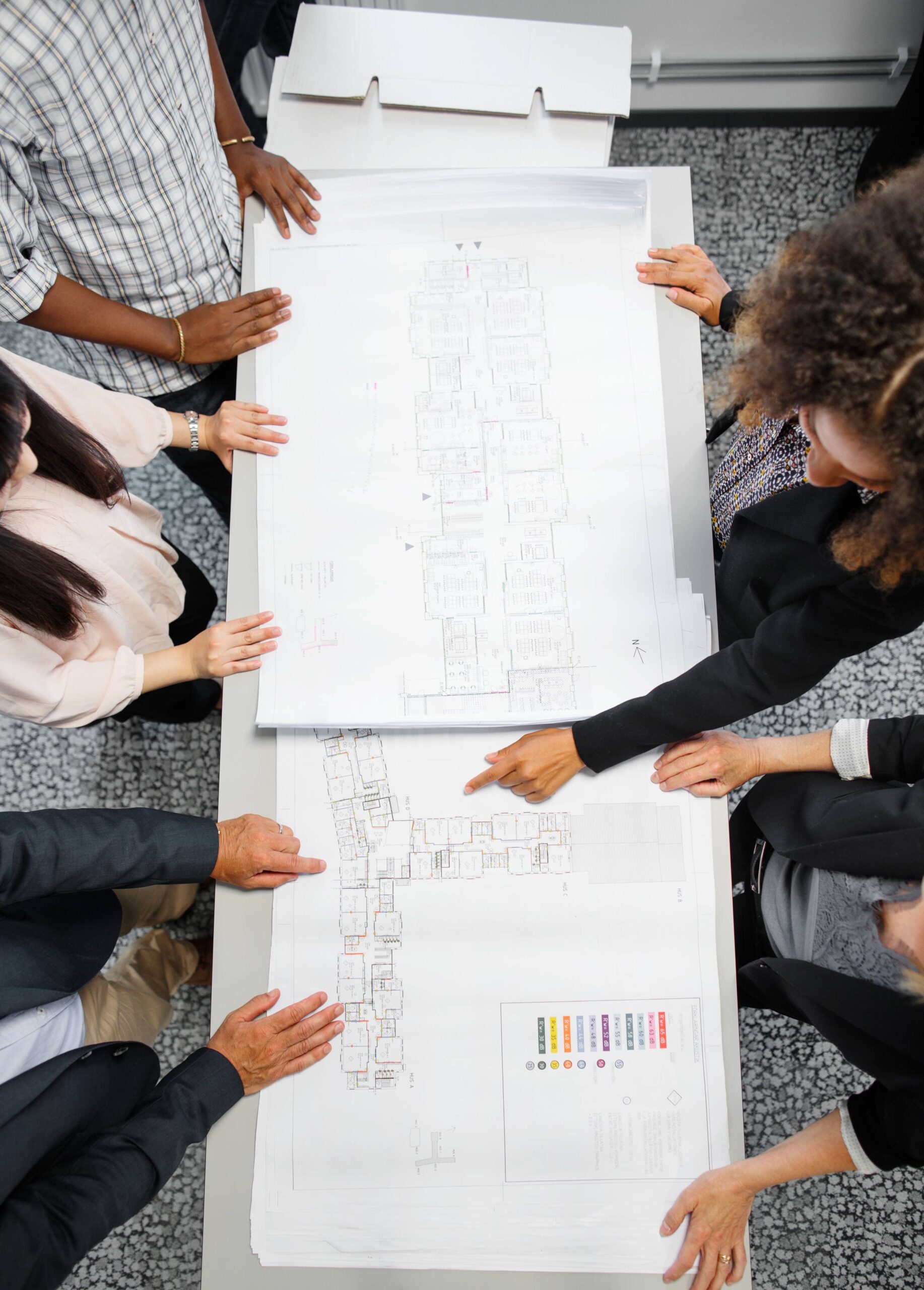
A hallmark of formal education is its adherence to a standardized curriculum.
- Unparalleled Flexibility: Self-learning empowers individuals to study on their own terms – choosing what, when, and how to learn.
- Tailored Learning Experience: Autodidacts have the liberty to design their educational journey, focusing intensely on areas of interest or need.
- Cost Efficiency: With an abundance of free or low-cost learning resources available, self-learning can be significantly more accessible than formal education.
The internet, in particular, has democratized access to knowledge.
The self-directed nature of this learning pathway cultivates intrinsic motivation, critical thinking, and self-discipline. These attributes are invaluable, fostering lifelong learners who can adapt to evolving knowledge demands.
Limitations of Self-Learning
Exploring the “Limitations of Self-Learning” unveils the challenges and constraints inherent in a self-directed approach to education. While self-learning empowers individuals with autonomy and flexibility.

It also presents several obstacles that can impact the effectiveness and recognition of one’s learning journey. These limitations highlight the complexities of navigating education outside the traditional structures of formal schooling.
Navigational Challenges
One of the most significant challenges of self-learning is the sheer volume and variability of information available. In the absence of a structured curriculum, learners must chart their own course through a vast ocean of resources
which can be both liberating and daunting. Identifying credible sources, determining the relevance of content.
This lack of guidance can lead to gaps in knowledge, inefficiencies in learning, and even the abandonment of educational pursuits due to frustration or uncertainty.
Lack of Formal Recognition
- A critical limitation of self-learning is the absence of formal accreditation.
- Which culminates in recognized degrees or certificates
- This lack of formal recognition can be a significant barrier.
1. Motivational Challenges

Self-learning requires a high degree of self-motivation and discipline, as learners must set their own goals, schedules, and deadlines. Without the external structures of classroom settings, regular assessments, and peer competition, maintaining motivation over time can be challenging.
The absence of immediate feedback and encouragement that educators and classmates provide.
The solitary nature of self-learning can lead to feelings of isolation, depriving learners of the social interactions and collaborative learning opportunities that formal educational environments offer.
2. Difficulty in Skill Application
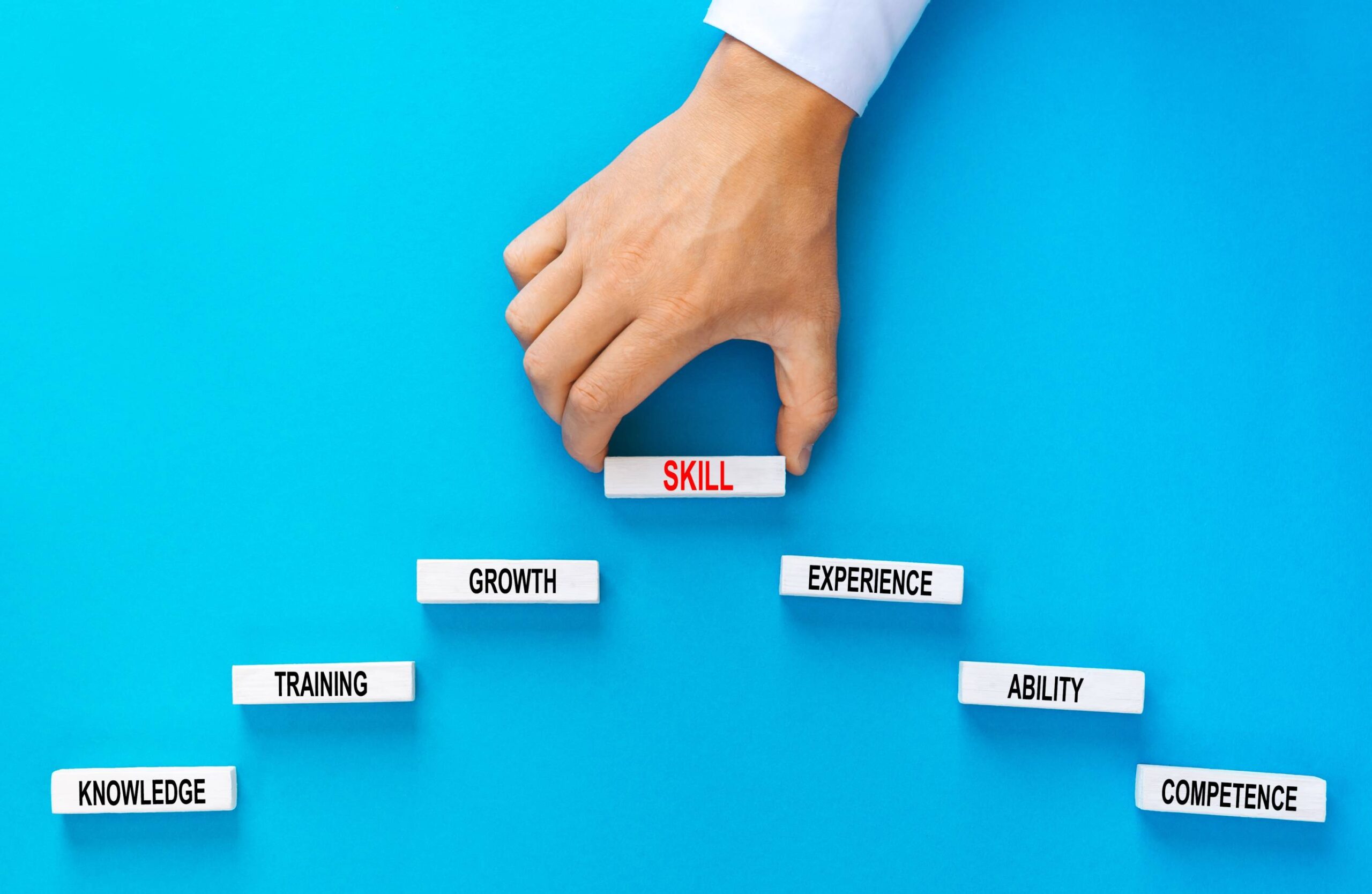
Self-learners may encounter difficulties in applying theoretical knowledge to practical situations due to a lack of hands-on experience and real-world application.
Formal education often includes practical assignments, internships, and projects that bridge the gap between theory and practice. Without these opportunities, self-learners may struggle to translate their acquired knowledge.
Bridging the Gap: A Hybrid Approach
The dichotomy between formal education and self-learning is increasingly being bridged by hybrid learning models. These approaches leverage the strengths of both worlds, offering structured, accredited programs supplemented by the flexibility and personalization of self-directed learning.
- A hybrid approach integrates the structured curriculum and professional instruction.
- By blending formal education with self-learning, individuals can tailor their educational journey to their specific.
- The hybrid model provides access to the extensive resources.
- This approach enables learners to acquire formal qualifications that validate their knowledge and skills.
A hybrid learning model fosters social interaction by combining the collaborative opportunities of formal education with the global community of learners accessible through self-learning platforms.
A hybrid learning model fosters social interaction by combining the collaborative opportunities of formal education with the global community of learners accessible through self-learning platforms.
