


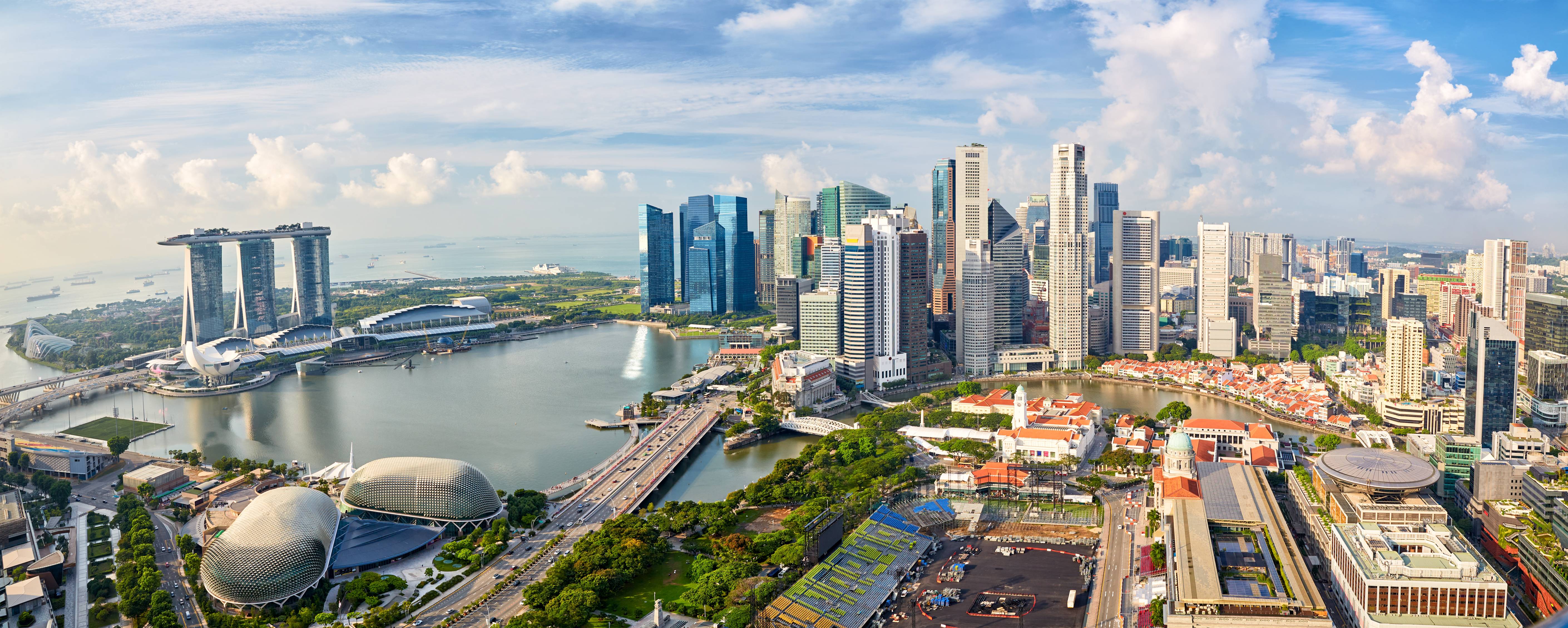
In the ever-evolving landscape of global economics, Singapore emerges as a beacon of prosperity, securing its position as the fifth-richest city in the world.
This remarkable achievement is not merely a statistical feat but a testament to Singapore’s unparalleled resilience, visionary leadership, and unwavering commitment to progress.
Let us delve deeper into the multifaceted tapestry of Singapore’s economic landscape to unravel the intricacies behind its meteoric rise.
Economic Landscape of Singapore
Singapore’s economic landscape is a multifaceted tapestry woven with a rich history, dynamic policies, and strategic initiatives that have propelled the city-state to prominence on the global stage.
Historical Context
To truly understand Singapore’s economic landscape, one must trace its roots back to its humble beginnings as a British trading post in the early 19th century. Situated at the crossroads of major shipping routes.
, Singapore quickly emerged as a vital hub for global commerce, attracting merchants, traders, and entrepreneurs from around the world.
Pillars of Economic Growth
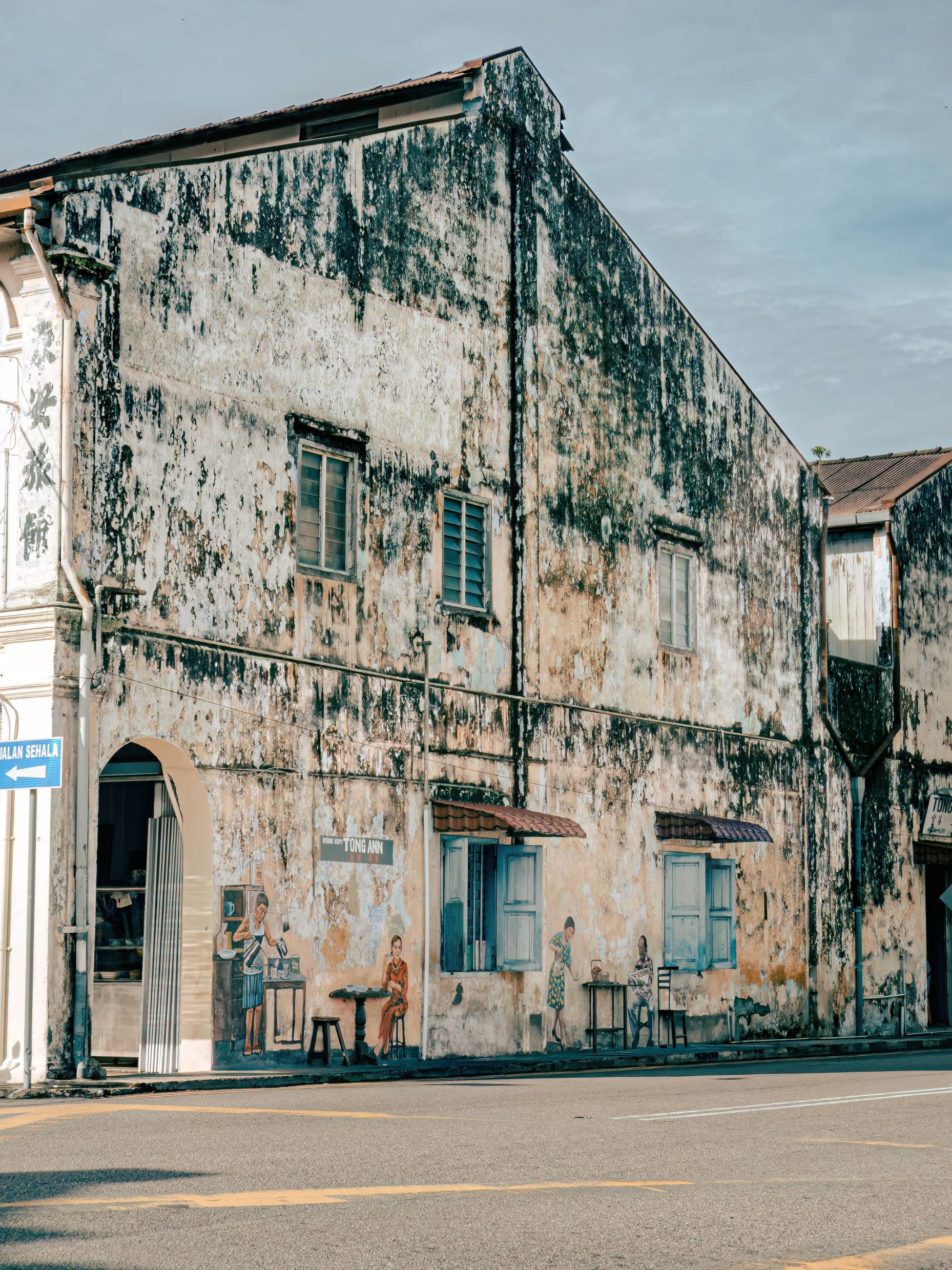
Singapore’s economic success is underpinned by several key pillars that have contributed to its sustained growth and resilience:
- Diversified Economy: Singapore has cultivated a diversified and resilient economy, characterized by a robust mix of industries spanning manufacturing, finance, logistics, tourism, and technology.
- Strategic Location: Situated at the heart of Southeast Asia, Singapore serves as a strategic gateway to the Asia-Pacific region. Its strategic location, coupled with world-class infrastructure and efficient logistics networks
- Pro-Business Environment: Singapore’s pro-business policies, transparent regulatory framework, and low tax regime have attracted multinational corporations, financial institutions, and entrepreneurs from around the world.
The city-state’s emphasis on education, skills training,
Innovation lies at the heart of Singapore’s economic strategy, driving productivity, competitiveness, and sustainable growth. The city-state has invested heavily in research and development (R&D), technology adoption, and innovation ecosystems to foster creativity, entrepreneurship, and technological advancement across various sectors.
Challenges and Opportunities
While Singapore’s economic landscape is marked by remarkable achievements, it is not immune to challenges and uncertainties. Demographic aging, rising inequality, geopolitical tensions, and technological disruptions pose significant challenges.

Singapore’s economic landscape is a testament to its resilience, adaptability, and forward-thinking approach to development. From its humble beginnings as a trading post to its current status as a global economic powerhouse, Singapore’s journey is characterized by visionary leadership, strategic planning, and relentless pursuit of excellence.
Factors Driving Singapore’s Wealth
Singapore’s remarkable economic success story is underpinned by a multitude of factors that have collectively propelled it to become one of the wealthiest cities in the world.
Let’s delve deeper into the intricate web of influences that have driven Singapore’s wealth generation and sustained economic growth.
Situated at the crossroads of major international trade routes, Singapore has historically served as a vital maritime trading hub. Its strategic location in the heart of Southeast
Pro-Business Policies and Regulatory Framework
- Singapore maintains a transparent regulatory framework.
- Regulations are streamlined and enforced efficiently.
- Singapore offers one of the lowest corporate tax rates globally.
1. Efficient Infrastructure and Connectivity
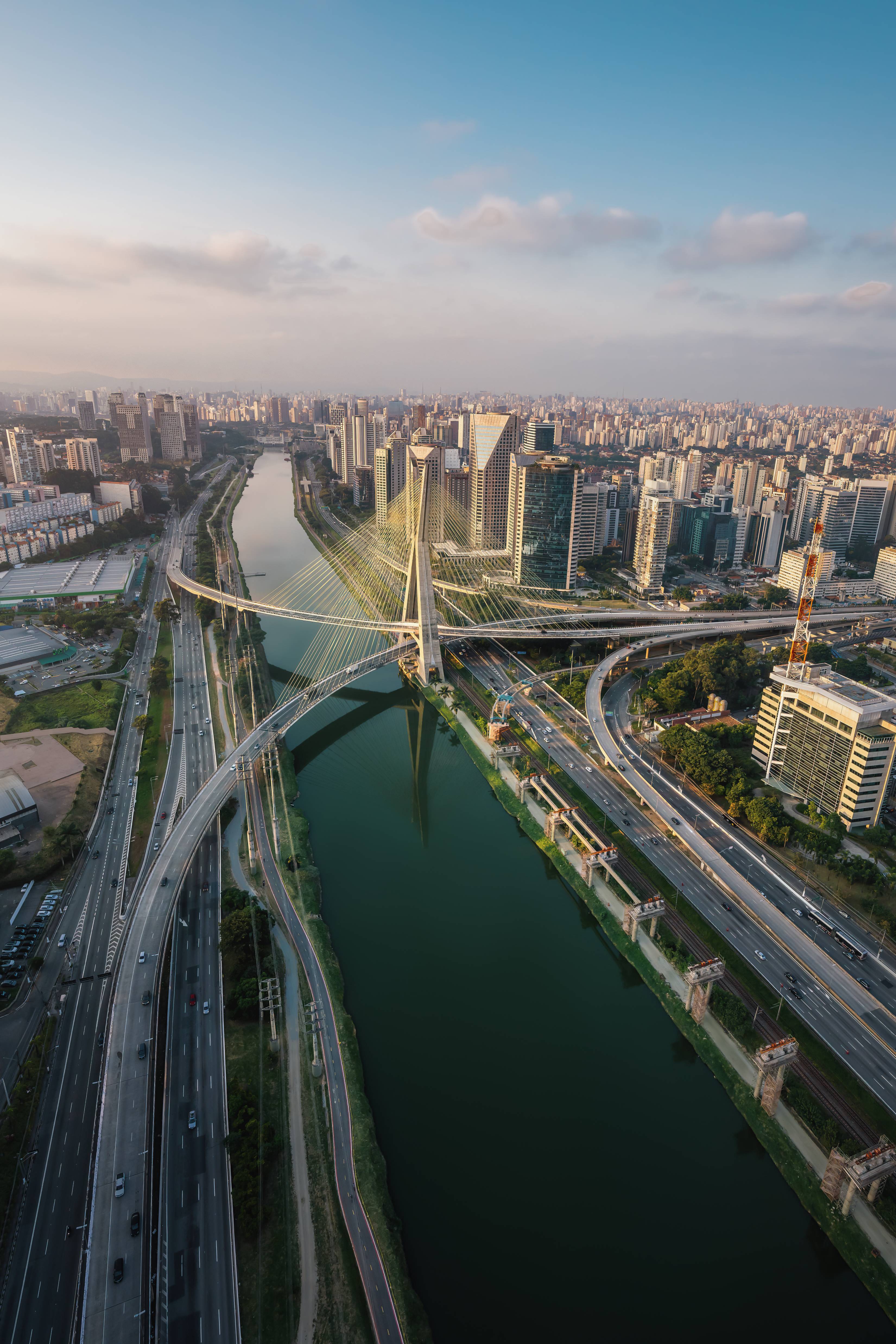
Infrastructure development has been a priority for Singapore since its independence, laying the foundation for sustained economic growth and development. The city-state boasts world-class infrastructure, including state-of-the-art transportation networks, modern seaports, advanced telecommunications systems, and reliable utilities.
This robust infrastructure not only facilitates the smooth flow of goods.
But also enhances Singapore’s attractiveness as a business and investment destination.
2. Diversified and Resilient Economy

Singapore’s economy is characterized by its diversification across multiple sectors, reducing reliance on any single industry and enhancing resilience to external shocks. While finance and manufacturing have historically been key drivers of growth.
Singapore has strategically diversified into emerging sectors such as technology, biotechnology, healthcare, and education. This diversified economic base not only fosters stability but also positions.
Skilled and Productive Workforce
Singapore’s human capital is a critical asset driving its economic success. The city-state prioritizes education and skills development, ensuring a highly skilled and productive workforce capable of meeting the demands of a knowledge-based economy.
- Singapore prioritizes education, ensuring a highly skilled workforce.
- Alongside traditional education, Singapore provides vocational.
- Singapore encourages lifelong learning to adapt to changing industry demands.
- Singapore actively attracts global talent through immigration.
Singapore’s meritocratic system rewards talent and performance, fostering a culture of excellence and productivity in the workforce.
Singapore actively attracts global talent through immigration policies, supplementing its workforce with diverse skills and expertise.
