



At its core, the concept of a smart city involves the utilization of digital technology and information and communication technologies (ICT) to enhance the quality and performance of urban services.
This includes utilities like transportation and energy, governance processes, and thereby improving the well-being of its inhabitants. The journey towards becoming a smart city is a strategic endeavor to integrate hardware
This blog delves into the intricate journey of transforming cities into smart urban environments, highlighting key technologies, challenges, and future prospects.
The Backbone of Smart Cities: Technologies at Play
The Backbone of Smart Cities: Technologies at Play section delves into the critical technological innovations that serve as the foundation for smart cities.
Internet of Things (IoT)
The Internet of Things (IoT) is perhaps the most pivotal technology in the smart city arsenal. It refers to the network of physical objects — “things” — that are embedded with sensors, software.
The purpose of connecting and exchanging data with other devices and systems over the internet. These devices range from simple household items to sophisticated industrial tools.
Big Data and Analytics

Here’s a deeper dive into how big data and analytics function within smart cities, presented in bulleted points for clarity:
- Definition and Scope: Big data refers to the vast quantities of structured and unstructured data generated from various sources within a city. This can include data from IoT devices, social media, traffic systems, and public services.
- Processing and Analysis: Advanced analytical tools and techniques are applied to process and analyze the collected data. This involves cleaning, structuring, and examining the data to extract meaningful patterns and insights.
- Predictive Analytics: Machine learning algorithms are employed to predict future trends and events based on historical data. This can include predicting traffic congestion, energy demand, and potential public safety incidents.
IoT devices and sensors embedded in urban infrastructure (traffic lights, CCTV, environmental sensors)
The effective use of big data and analytics requires specialized skills in data science and analytics, as well as the necessary IT infrastructure to support data processing and storage. Combining data from diverse sources and ensuring systems can work together seamlessly is essential for comprehensive analysis and effective decision-making.
Applications of Big Data and Analytics in Smart Cities
The applications of Big Data and Analytics in smart cities are vast and varied, touching nearly every aspect of urban life. By harnessing the power of data, cities can become more efficient, sustainable, and livable.
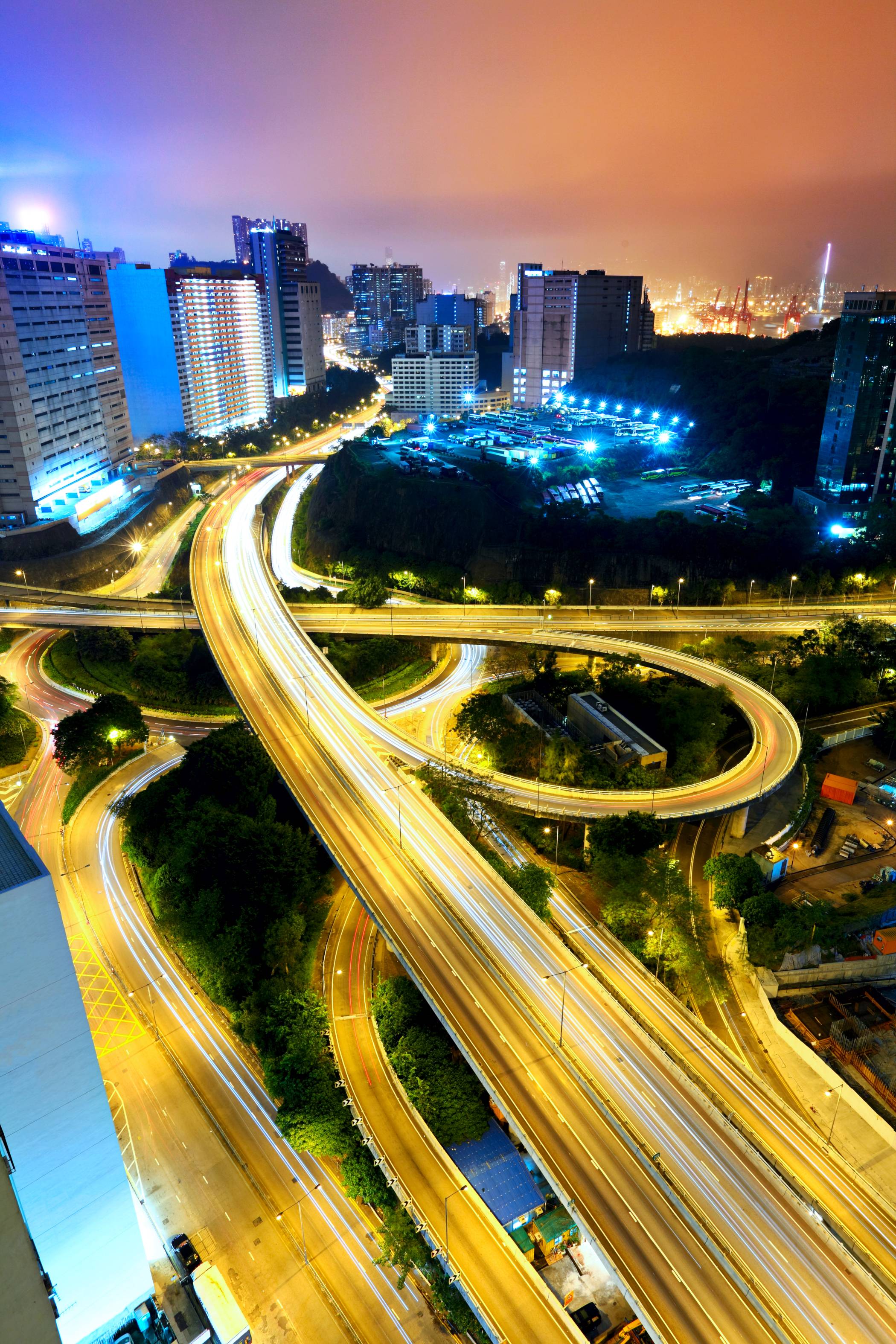
Big Data analytics help in analyzing traffic patterns and congestion in real-time, allowing for the dynamic adjustment of traffic signals to reduce delays and improve traffic flow. Analyzing traffic flow data to optimize traffic signals, reduce congestion, and plan efficient public transportation routes.
Energy Management
Smart grids use big data to manage the flow of electricity more efficiently, balancing supply and demand in real time, and integrating renewable energy sources effectively.
Data analytics enable the analysis of energy consumption patterns in buildings and residential areas.
By analyzing crime data and patterns, predictive analytics can help law enforcement agencies anticipate potential crime hotspots and allocate resources more effectively to prevent crime.
Waste Management
- Data from smart waste sensors in bins and historical collection.
- Analytics can identify trends in waste generation.
- Data from air quality sensors across the city can be analyzed in real time.
1. Urban Planning and Development
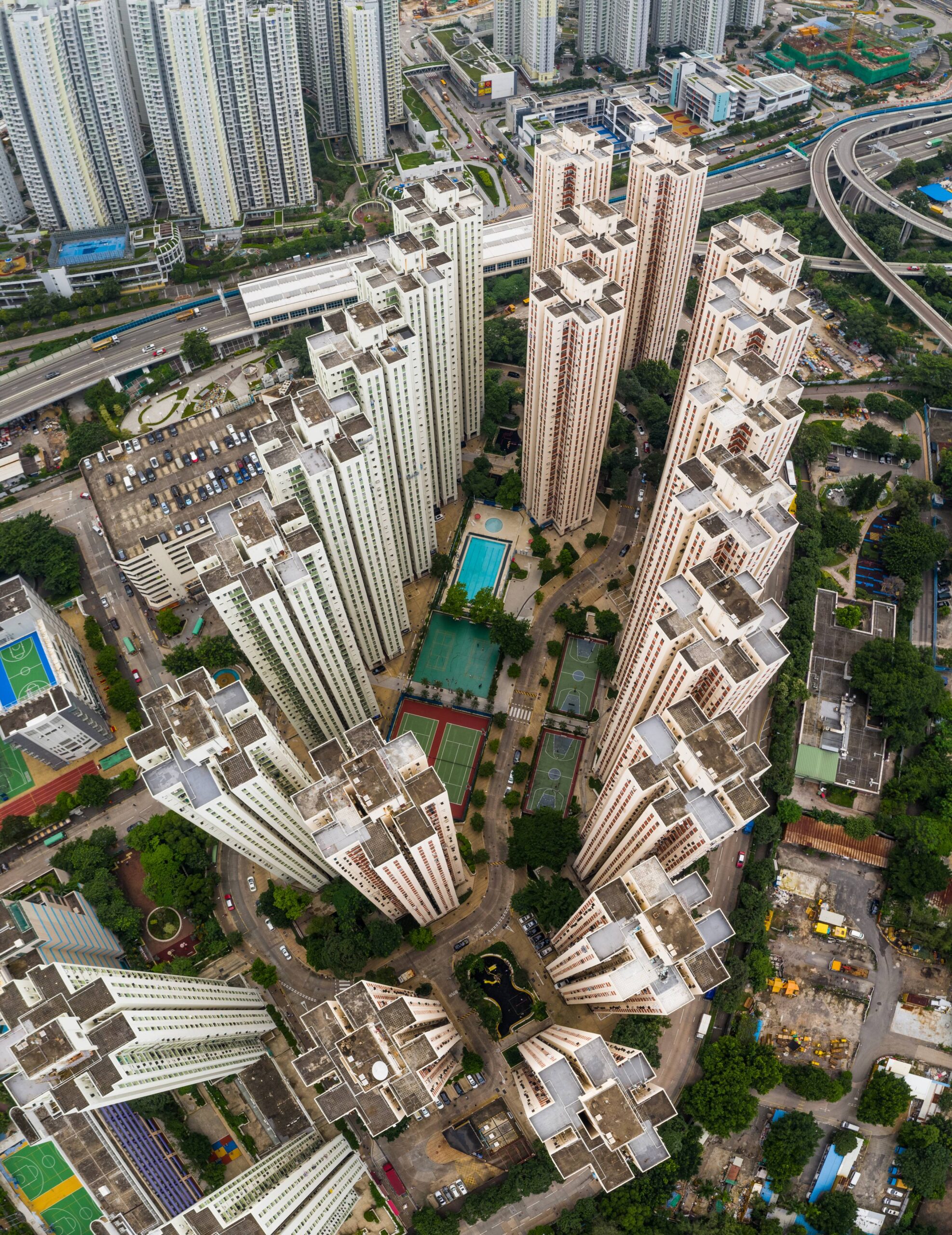
Analysis of population growth patterns, housing data, and usage patterns of public spaces can inform more effective urban planning and infrastructure development. Data analytics can be used to design buildings and homes that are more energy-efficient, comfortable, and connected, contributing to the overall sustainability of the urban environment.
The applications of Big Data and Analytics in smart cities represent a paradigm shift.
By turning vast amounts of data into actionable insights, cities can optimize existing services, introduce innovative solutions, and anticipate future challenges.
2. Artificial Intelligence (AI) and Machine Learning
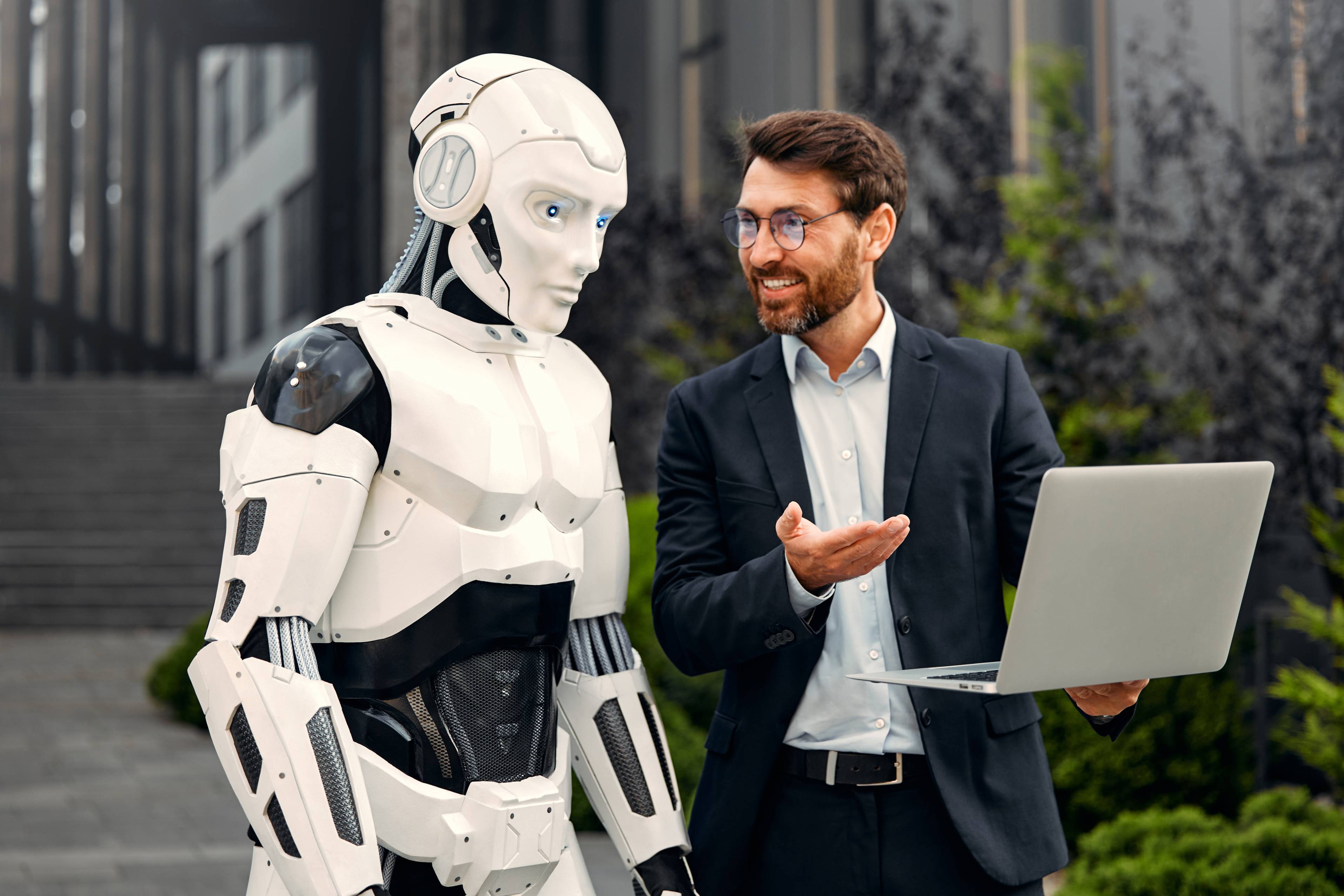
Artificial Intelligence (AI) and its subset, Machine Learning (ML), provide the brains behind the smart city operations. AI involves creating computer systems capable of performing tasks that typically require human intelligence.
Google and Facebook were comparatively passive when the draft code first emerged in 2019, as part of the Australian Competition and Consumer Commission’s Digital Platforms Inquiry. Providing advance notice of any changes.
Forget Your Fears and Worries
5G is the latest generation of cellular network technology, designed to greatly increase the speed and responsiveness of wireless networks. With 5G, data transmitted over wireless broadband connections could travel at rates significantly higher than previous cellular networks:
- 5G represents the fifth generation of cellular network technology.
- 5G networks are capable of supporting data transmission speeds.
- One of the hallmark features of 5G is its low latency, which refers to the very short delay.
- The advanced capabilities of 5G networks are essential.
5G facilitates the real-time collection and transmission of data, ensuring immediate communication between IoT devices, urban infrastructure, and management systems.
Supports advanced public safety solutions, including real-time surveillance and emergency response systems.
