


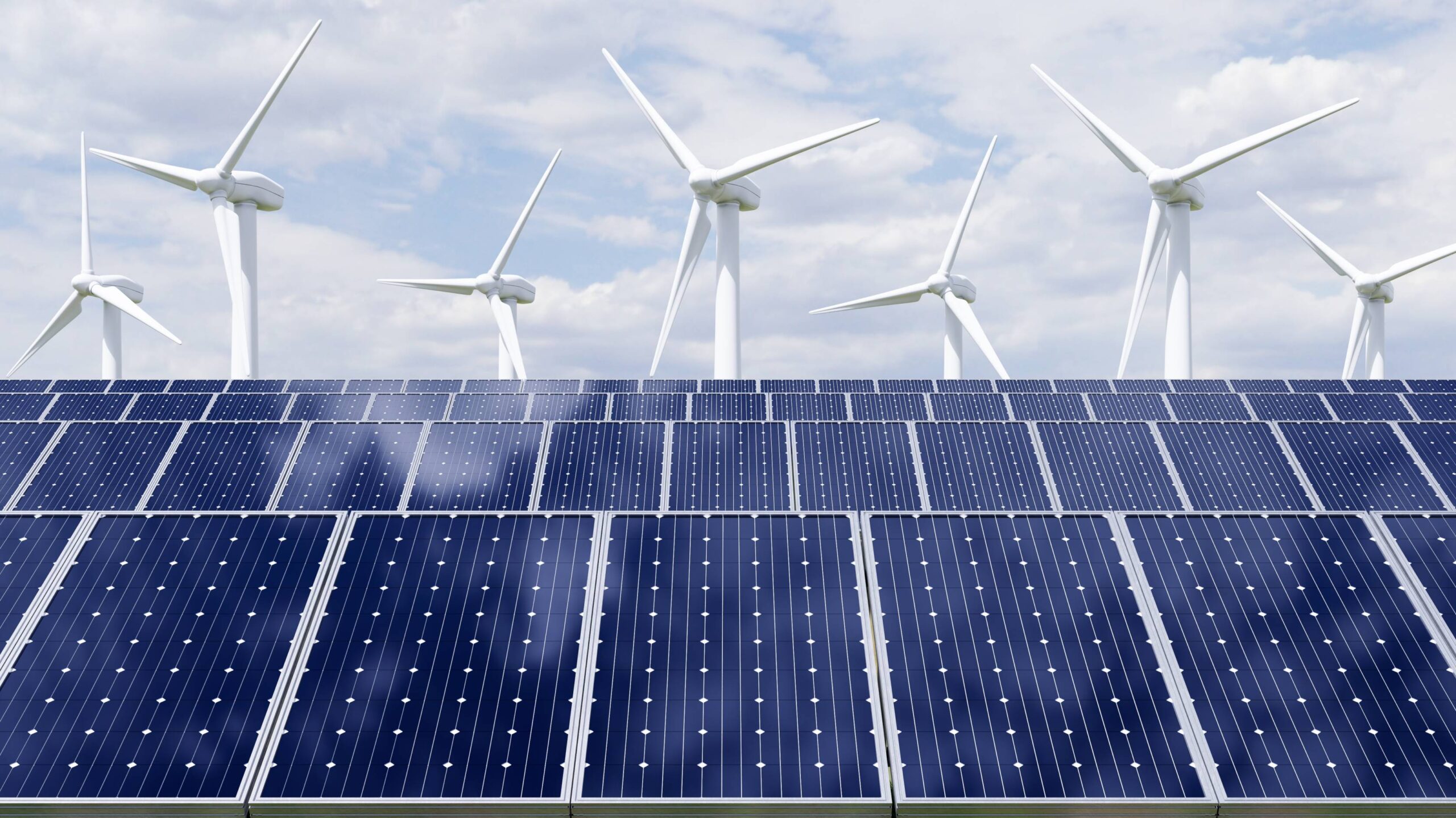
To create a more detailed exploration of solar versus wind energy, we’ll delve deeper into each aspect, unpacking the nuances and elaborating on the implications.
Choosing one resource over the other for power generation. This extended analysis will provide a comprehensive view, aiding stakeholders in making informed decisions.
This detailed analysis aims to compare solar and wind energy in terms of efficiency, cost, environmental impact, and applicability to understand which might be better for power generation in different scenarios.
Efficiency and Technology Deep Dive
The “Efficiency and Technology Deep Dive” section offers an in-depth exploration into the core aspects that define the operational efficiency and technological advancements of both solar and wind energy systems.
Solar Energy: Efficiency and Technological Advancements
Solar energy harnesses sunlight using photovoltaic (PV) cells in solar panels to produce electricity. The efficiency of these panels is a critical factor, typically ranging from 15% to 20% for commercial products.
This figure represents the proportion of sunlight that can be converted into electrical energy. Advanced technologies, such as multi-junction solar cells, have achieved efficiencies above 40% in controlled environments
Several factors influence the efficiency of solar panels

which adjust the panels’ position with the sun, aim to enhance efficiency and output.
- Type of Photovoltaic Material: Different materials, including monocrystalline silicon, polycrystalline silicon, and thin-film solar cells, have varying efficiencies and cost profiles.
- Installation and Orientation: The positioning of solar panels towards the sun, including the angle and geographic location, significantly impacts their energy production capabilities.
- Temperature: Solar panels operate more efficiently at cooler temperatures, with efficiency dropping as the temperature rises.
Technological advancements such as bifacial solar panels, which capture sunlight from both sides.
Wind energy conversion efficiency is a measure of how effectively wind turbines convert the kinetic energy of wind into electrical power. The theoretical maximum, known as the Betz limit, states that no more than 59.3% of the wind’s kinetic energy can be captured by a turbine. In practice, modern turbines achieve 35-50% efficiency under optimal conditions
The Future of Efficiency and Technology
The ongoing research and development in both solar and wind energy sectors focus on overcoming existing limitations and enhancing the efficiency and reliability of these technologies.
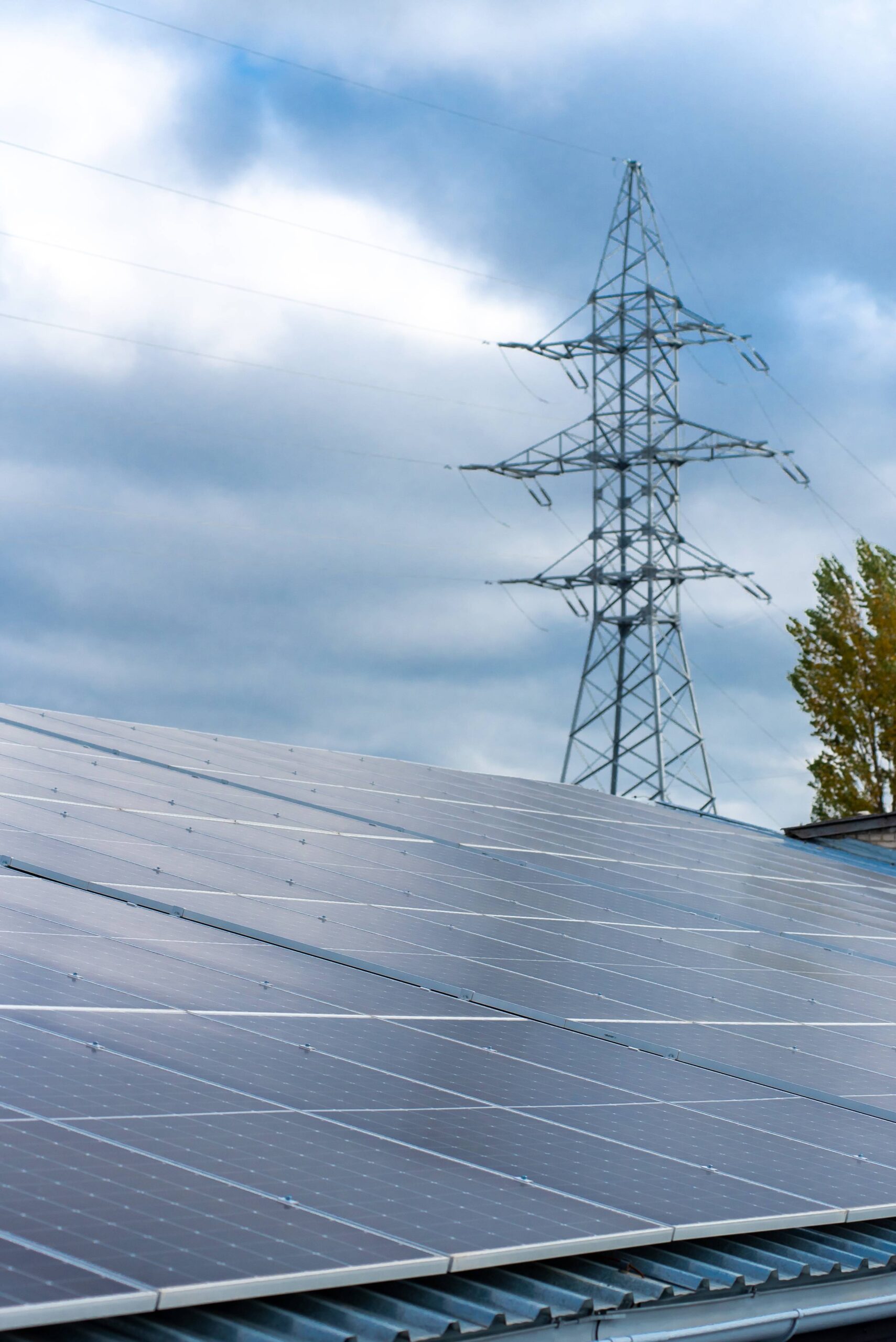
For solar energy, efforts are concentrated on developing new photovoltaic materials and configurations that can offer higher conversion efficiencies at lower costs. For wind energy, the focus is on creating more robust turbine designs that can operate efficiently across a broader range of wind speeds and conditions.
Solar Energy Costs
The dramatic reduction in solar PV costs is one of the most significant trends in renewable energy. According to the International Renewable Energy Agency (IRENA), the cost of solar.
This cost reduction is attributed to technological improvements, economies of scale, and more efficient manufacturing processes.
However, the total cost of solar energy also includes installation, permitting, interconnection, and the inverters needed to convert DC electricity to AC.
Operational and Maintenance Costs
- Solar energy systems are relatively low maintenance compared to other energy technologies.
- Periodic cleaning of panels and occasional replacement of the inverter.
- These factors contribute to lower operational costs over the lifespan of the solar installation.
1. Wind Energy Costs
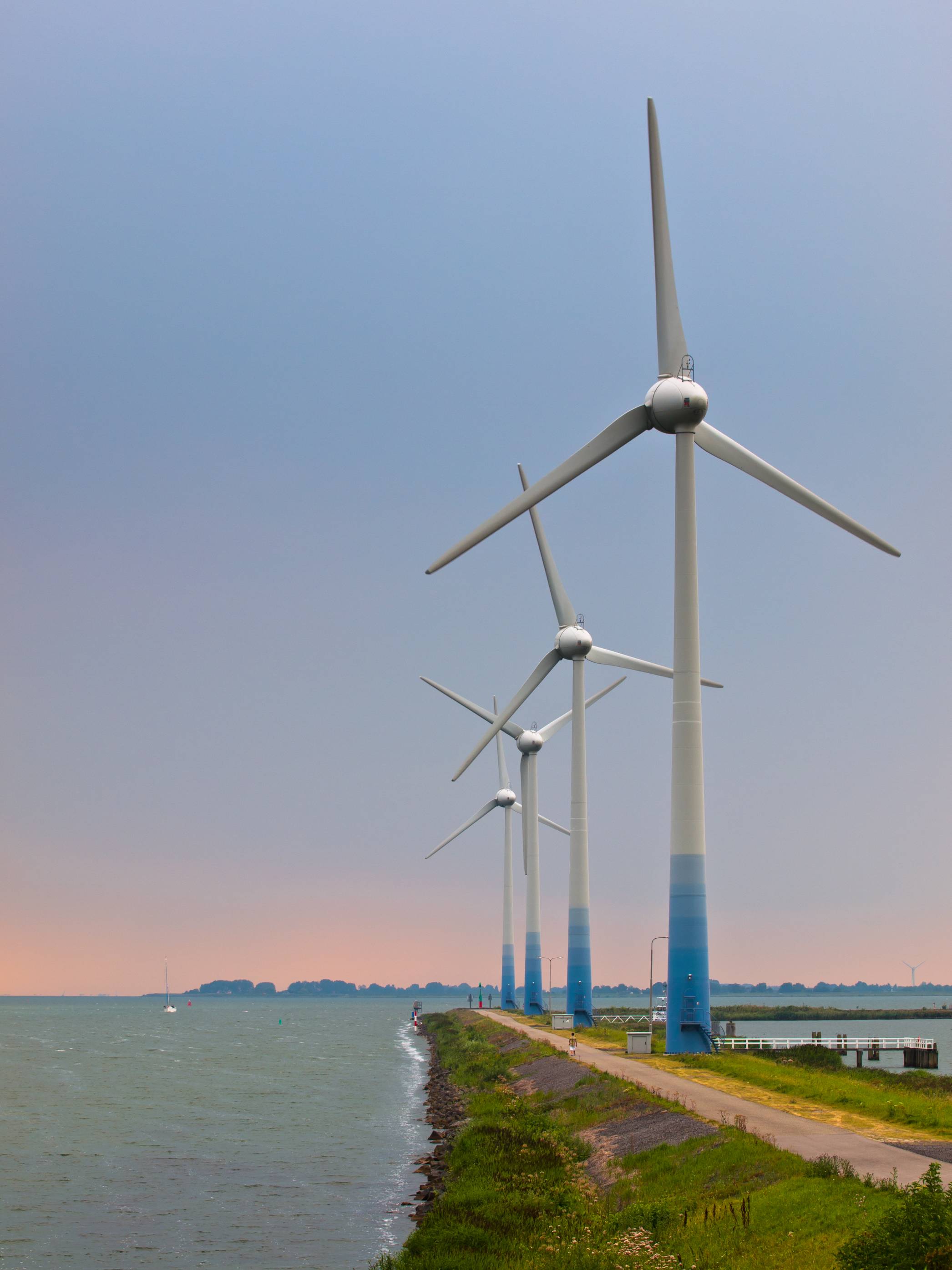
Wind energy projects require significant upfront investment, which includes the cost of wind turbines, site preparation, grid connection, and installation. Offshore wind projects typically have higher initial costs due to the complexities of installation and infrastructure development in marine environments.
Economies of scale and technological advancements.
Wind turbines require regular maintenance to ensure optimal performance, including inspections, repairs, and component replacements.
2. Levelized Cost of Energy (LCOE)

The LCOE of wind energy has also decreased significantly, benefiting from larger turbine capacities, improved efficiency, and lower capital and operational costs.
Wind energy is now one of the most cost-competitive renewable energy sources, especially in regions with favorable wind conditions. The LCOE for wind power continues to decrease as technology advances and the industry scales up.
Future Cost Trends and Implications
The ongoing decline in the costs of solar and wind energy is a positive indicator for the future of renewable energy deployment. Increased investment in research and development, coupled with policy support and market incentives is likely to continue driving down costs.
- Additionally, the integration of energy storage technologies.
- Improvements in grid infrastructure are critical
- The intermittency of solar and wind power
- Further cost reductions in managing and balancing renewable energy systems.
Moreover, the social and environmental costs of conventional fossil fuels, including health impacts and climate change-related damages, are increasingly being recognized.
When these external costs are considered, the economic case for solar and wind energy becomes even more compelling. While challenges remain, the trends in cost reduction and technological improvements are clear indicators
