


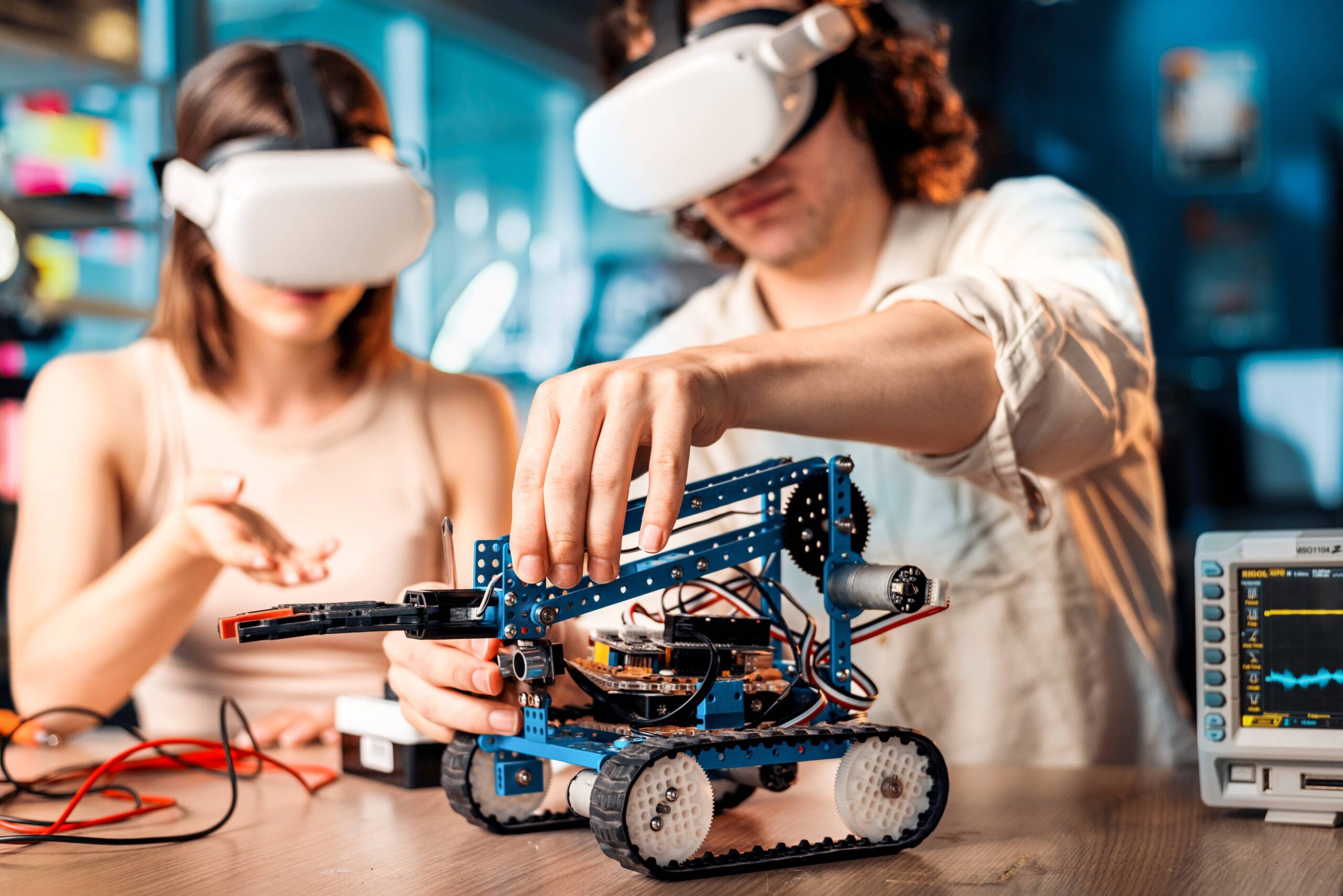
The technology landscape is evolving at an unprecedented pace, with innovations that once seemed futuristic becoming reality. As we stand on the brink of a technological revolution that will fundamentally alter the way we live, work.
This article delves into five key technological trends: Artificial Intelligence (AI) and Machine Learning (ML), Blockchain Technology, Internet of Things (IoT), Quantum Computing,
Augmented Reality (AR) and Virtual Reality (VR), exploring their potential to transform the world. let’s dive deeper into each trend, exploring their implications, challenges, and how they are revolutionizing industries and society.
Artificial Intelligence (AI) and Machine Learning (ML)
AI and ML are at the forefront of technological innovation, driving changes that seem to blur the lines between science fiction and reality.
Deep Dive into AI and ML
AI is revolutionizing the job market, automating routine tasks but also creating new roles that require advanced skills, thus shifting the economic landscape.
The rise of AI raises significant ethical questions, from privacy concerns to the potential for bias in AI algorithms, necessitating transparent and fair AI practices.
Personalized Education
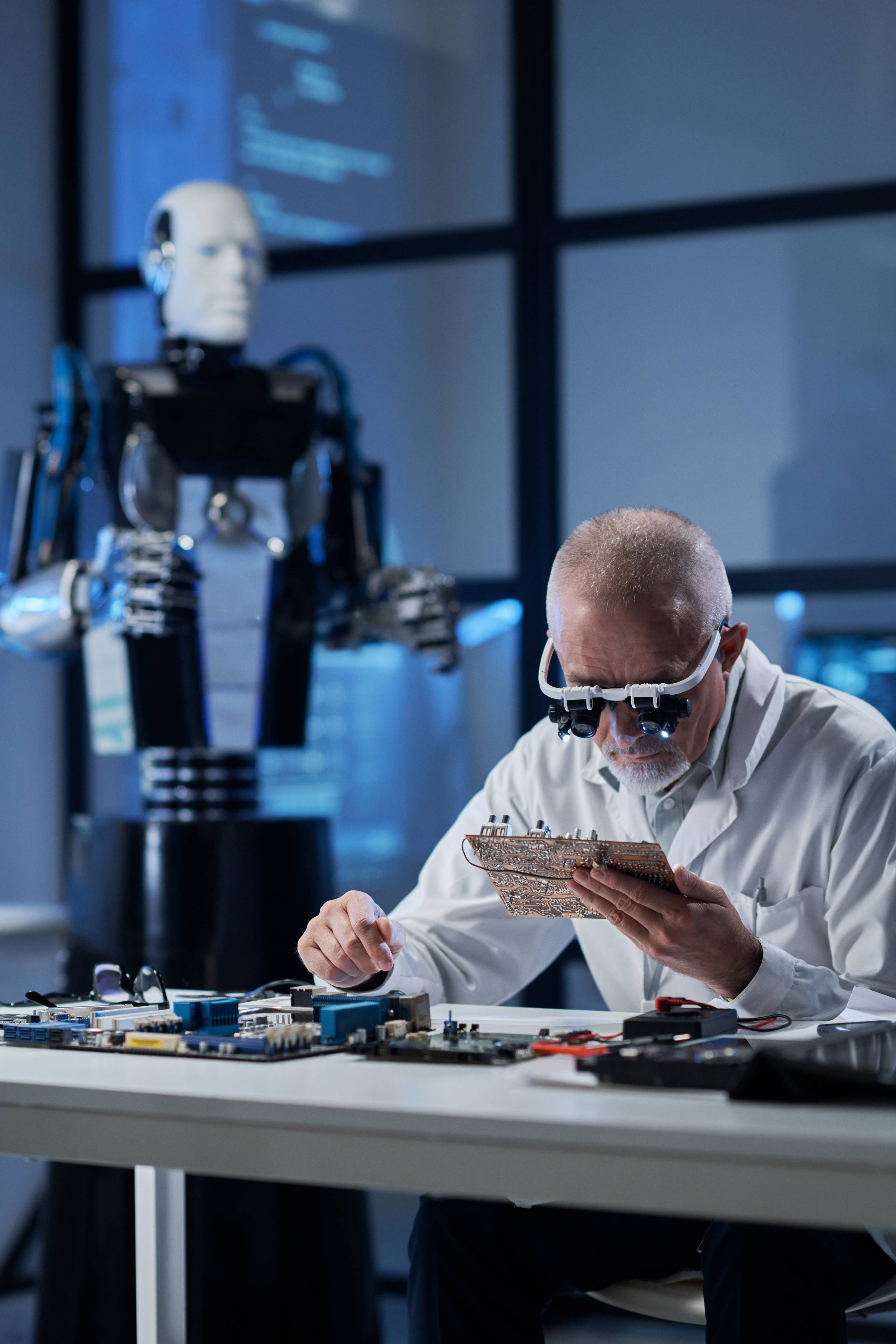
The traditional one-size-fits-all approach in education often fails to meet the diverse needs of individual students.
- Data-Driven Insights: AI systems collect and analyze data on students’ performance, learning habits, and engagement levels. This data includes quiz scores, time spent on different topics, and interaction patterns within educational software.
- Adaptive Learning Algorithms: Based on the analysis, AI algorithms adjust the content, difficulty level, and learning pathways in real-time to match the student’s needs.
- Feedback and Improvement: AI systems provide immediate feedback to students and educators, highlighting areas of strength and where additional support is needed.
This ongoing feedback loop allows for continuous improvement in the learning process.
Predictive healthcare utilizes AI to anticipate health issues before they become serious, enabling proactive management of diseases and optimization of healthcare services. This approach can lead to earlier interventions, personalized treatment plans, and improved health outcomes.
Blockchain Technology
Blockchain goes beyond cryptocurrencies, offering a secure and transparent way to conduct transactions and manage data across various sectors.

At its core, blockchain is a decentralized technology that records transactions across multiple computers, making it nearly impossible to alter historical data, thus enhancing security and trust. These are self-executing contracts with the terms directly written into code, automating and securing agreements without intermediaries.
Internet of Things (IoT)
IT is making smart devices smarter, connecting everyday objects to the internet, allowing them to send and receive data. This interconnectedness has vast implications for how we manage our lives and businesses.
Lot of devices are making homes smarter and more energy-efficient, while on a larger scale, they contribute.
In manufacturing, Lot of devices monitor equipment health, predict maintenance needs, and optimize production processes, leading to increased efficiency and reduced costs.
Quantum Computing
- Quantum computing can analyze and solve complex problems
- While quantum computing offers new ways to encrypt data, it also poses a threat to current encryption methods
- AR and VR are transforming our interaction with digital information and the world around
1. Predictive Healthcare through AI

Predictive healthcare utilizes AI to anticipate health issues before they become serious, enabling proactive management of diseases and optimization of healthcare services. This approach can lead to earlier interventions, personalized treatment plans, and improved health outcomes.
AI algorithms analyze vast datasets, including electronic health records (EHRs)
By applying machine learning models to this data, AI can predict the likelihood of disease development, potential outbreaks, and patient outcomes
2. Augmented Reality (AR) and Virtual Reality (VR)
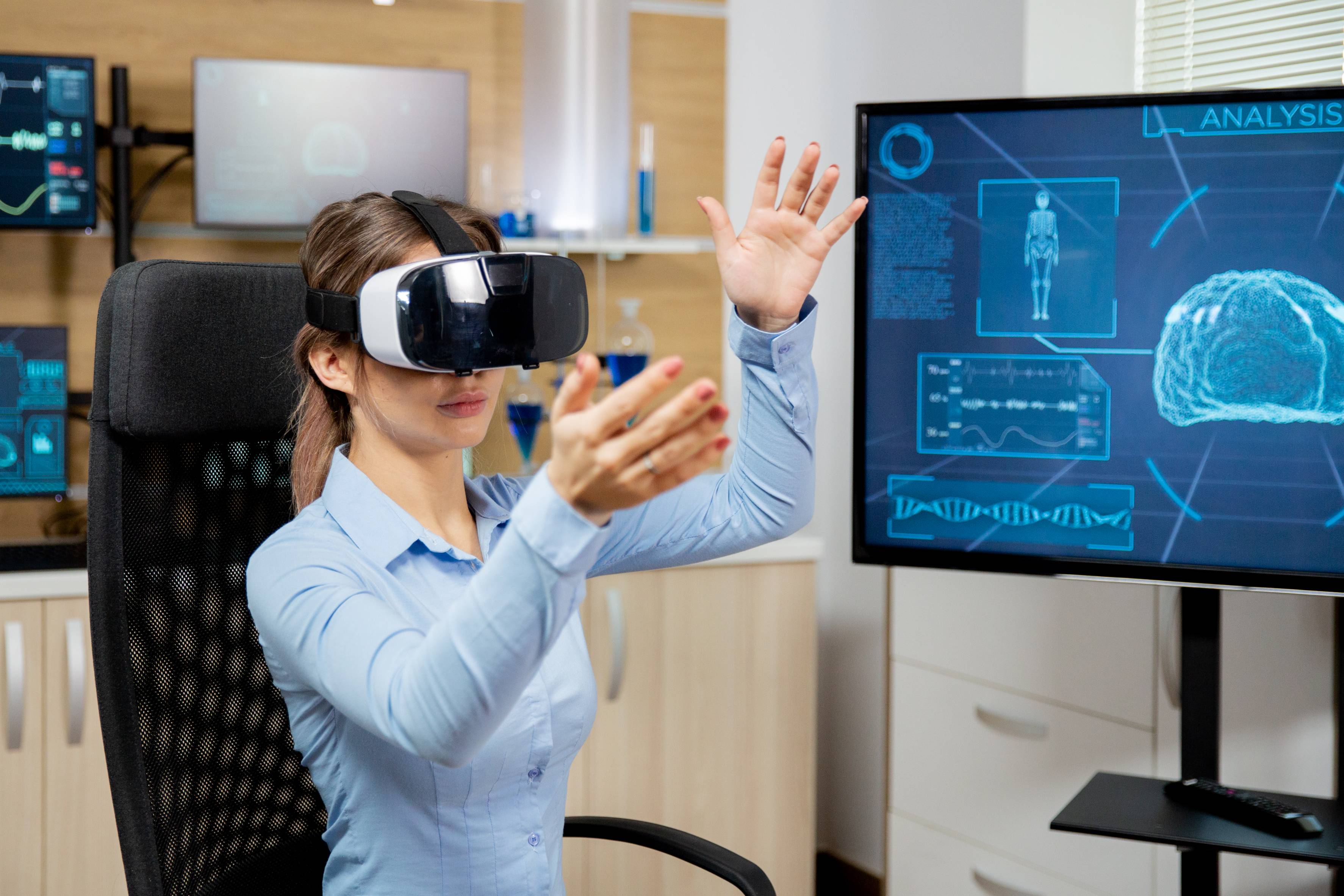
AR and VR are transforming our interaction with digital information and the world around us, offering immersive experiences that have applications in education, entertainment, and beyond.
From training surgeons to preparing astronauts for space missions, AR and VR provide safe and realistic environments to practice and hone skills.
Conclusion
The future of technology, shaped by AI and ML, Blockchain, IoT, Quantum Computing, and AR/VR, holds tremendous potential to transform industries, economies, and the very fabric of society. As we navigate this complex and ever-changing landscape, it’s essential to foster innovation while addressing ethical, security, and societal concerns.
- Predictive healthcare can identify diseases at an early stage when they are more treatable
- By predicting patient needs and disease trends, healthcare systems can allocate resources.
- With insights into their health risks, individuals can make informed lifestyle choices.
- taking into account their unique genetic makeup, lifestyle, and risk factors.
AI’s role in transforming education and healthcare is profound, offering personalized, efficient, and predictive solutions that cater to the individual needs of students and patients.
These advancements not only improve outcomes but also signify a shift towards more responsive, personalized, and preventative models in education and healthcare systems.
