



In recent years, the robotics revolution has gained momentum, transforming industries, and by extension, our daily lives, in profound ways.
This revolution is not confined to the realms of manufacturing and automation but extends to healthcare, home assistance, disaster response, and even personal companionship.
This blog delves into how robotics technology is making human life easier, safer, and more efficient, exploring the various sub-topics that highlight the depth and breadth of this transformative era.
Manufacturing and Automation: The Heartbeat of Industry
The transformative impact of robotics in manufacturing and automation is a cornerstone of the modern industrial revolution, often referred to as Industry 4.0.
Transforming Production Lines
The most visible impact of robotics in manufacturing is on the production lines. Here, robots have taken on a variety of tasks that were previously performed manually. These range from assembling products.
Robots can work 24/7 without fatigue, maintaining high levels of precision and speed over long periods. This capability significantly reduces production times and costs while improving product quality.
Enabling Smart Factories
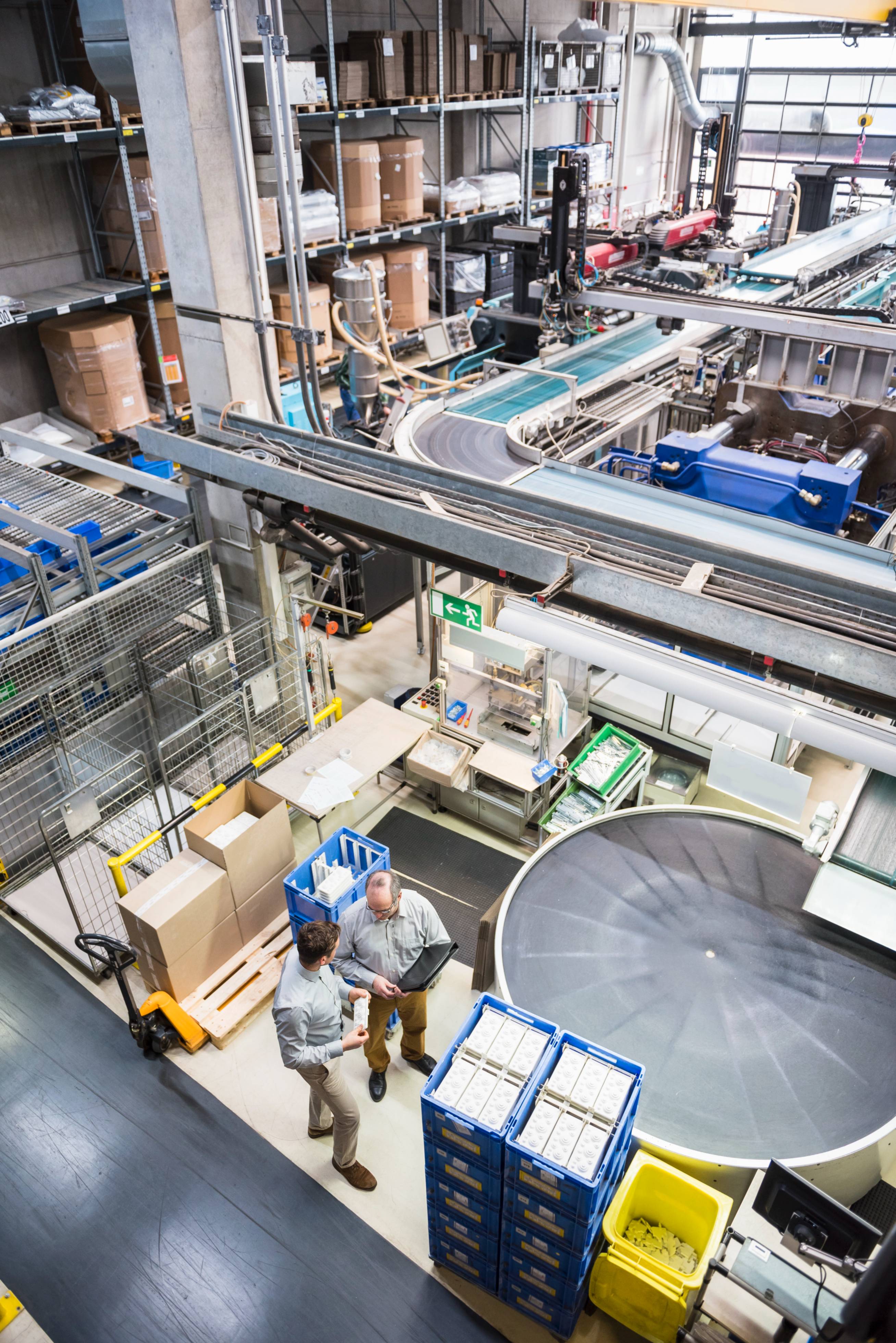
Here’s a deeper look into how robotics enable smart factories and the key points that highlight this evolution.
- Seamless Integration: In a smart factory, robots are interconnected through a digital network that allows them to communicate with each other and with other systems within the factory
- IoT and Data Exchange: Robots equipped with IoT technology can collect and exchange data in real time.
- Advanced Analytics: The data generated and collected by robots and other sensors within a smart factory are analyzed using advanced analytics and AI algorithms.
This analysis can uncover patterns, predict trends, and identify inefficiencies.
With the capability to analyze data, robots can make informed decisions autonomously. For example, if a robot detects a fault in the production line, it can automatically adjust its operations to avoid the defect or notify human operators for intervention, thereby reducing downtime and maintaining product quality.
Flexibility and Adaptability
Smart factories often feature modular production lines, where robots and machinery can be quickly reconfigured for different tasks or products.

Robotics enables smart factories to scale operations efficiently. As demand increases or decreases, robots can be added, removed, or reassigned to different tasks, allowing the factory to adapt its output without major overhauls or investments in new infrastructure.
Enhanced Efficiency and Productivity
By continuously monitoring and adjusting production processes, robots help to optimize workflow, reducing bottlenecks and ensuring that resources are allocated efficiently.
Through constant monitoring and data analysis, robots can predict when machines and equipment are likely to fail or require maintenance.
Cobots are designed to work alongside human operators, enhancing their capabilities rather than replacing them. Equipped with sensors and safety features, cobots can perform tasks that require precision or strength.
Improving Workplace Safety
- Robots are deployed to manage and process hazardous substances.
- Robots can work in environments that are unsafe for humans.
- Robotics take on tasks requiring high levels of precision.
1. Reshaping the Workforce

The integration of robotics into the manufacturing and service sectors is not merely transforming the nature of work but is also reshaping the workforce itself. This evolution presents a dual narrative: on one hand, it brings about concerns of job displacement on the other, it heralds a new era of job creation and demands for new skill sets.
Here’s a closer look at how robotics is reshaping the workforce and the implications for the future of work.
Robotics automate repetitive and physically demanding tasks, reducing the need for human labor in these areas. This shift leads to a decrease in traditional manual roles, urging workers to adapt to a changing employment landscape.
2. Demand for New Skills

The workforce is required to develop technical skills, including programming, machine learning, and robotics operation, to work effectively alongside robots or in the creation and maintenance of robotic systems.
As robots handle more of the technical workload, human workers are valued for their soft skills. Creativity, problem-solving, teamwork, and emotional intelligence become crucial in roles that require human interaction, oversight, and decision-making.
Education and Training
The rapid pace of technological change necessitates lifelong learning and re-skilling for existing workers. Companies and governments are investing in training programs to help workers transition into new roles within the robotics-driven economy.
- The rise of cobots designed to work alongside humans.
- Integrating robots into the workplace requires changes in organizational structure and culture.
- Robotics contributes to economic growth by enhancing productivity.
- The transition to a robotics-driven economy raises questions.
The reshaping of the workforce by robotics is a multifaceted process that involves challenges and opportunities. While the automation of tasks can lead to job displacement in certain sectors
The future of work will be characterized by flexibility, lifelong learning, and collaboration between humans and machines. By embracing these changes, society can harness the full potential of robotics.
