


Embarking on a journey around the globe reveals a mosaic of cultures, landscapes, and experiences that have the power to transform our perspective of the world.
From the majestic natural wonders to the architectural marvels constructed by humanity, the planet is brimming with destinations that beckon travelers.
This blog delves into the top 5 travel destinations, each offering a unique blend of beauty, history, and adventure. These places, selected for their universal appeal, provide a glimpse into the diversity and splendor of our world.
Kyoto, Japan: Where Tradition Meets Tranquility
Nestled among the mountains of the Kansai region, Kyoto is the heart of traditional Japan. With its 1,000 Buddhist temples, serene Zen gardens, and preserved streets lined with machiya (traditional wooden townhouses)
Fushimi Inari Shrine
Fushimi Inari Shrine, or Fushimi Inari Taisha, stands as one of Japan’s most iconic and revered Shinto shrines, attracting visitors from around the globe with its distinctive torii gates that trail through the forest of Mount Inari.
Located in Kyoto, the shrine is dedicated to Inari, the Shinto god of rice, agriculture, and prosperity. Its history dates back to the early 8th century, making it not only a place of spiritual significance but also a testament to Japan’s rich cultural and historical heritage.
Historical Background
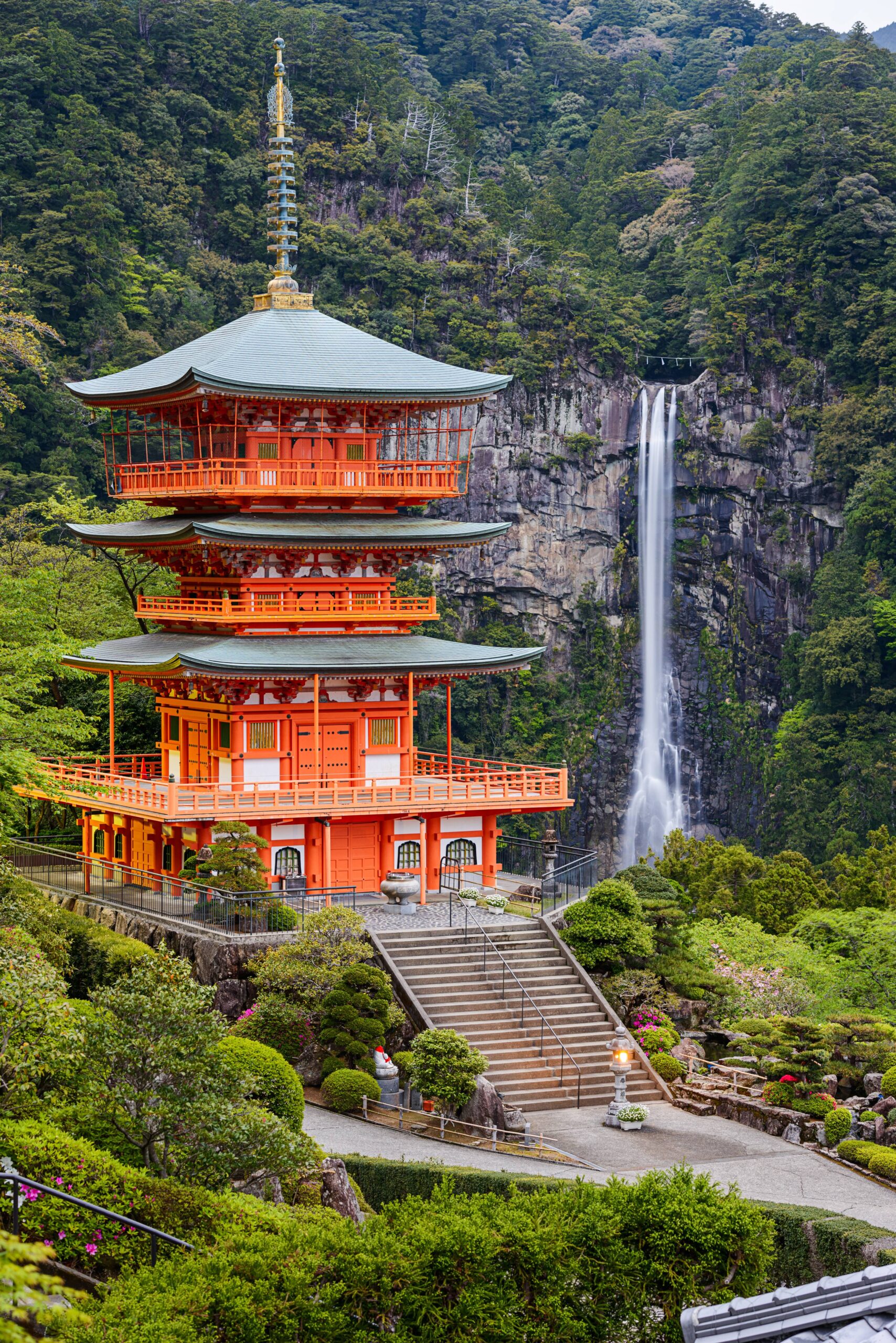
Is deeply rooted in Japan’s cultural and religious traditions. Here’s an exploration of its history in point form:
- Foundation in 711 AD: Fushimi Inari Shrine was established in the early 8th century, making it one of the oldest Shinto shrines in Japan. It was originally founded to worship Inari, the god of rice, agriculture, and fertility.
- Dedication to Inari: Inari, the principal deity worshipped at the shrine, is considered the patron of rice, agriculture, and industry. Over time, Inari has also come to be associated with prosperity, success, and business.
- Location and Significance: The shrine is situated at the base of Mount Inari in Kyoto, chosen for its natural beauty and spiritual significance. The mountain itself is considered sacred, symbolizing Inari’s presence and protection.
Throughout its history, Fushimi Inari Shrine has evolved and expanded, reflecting changes in Japanese society.
The iconic torii gate pathways, known as Senbon Torii, began to take shape from donations by worshippers and businesses hoping to receive blessings for prosperity. Each gate is inscribed with the name of the donor and the date of donation, marking a unique tradition of patronage and gratitude.
Cultural and Religious Hub
Over the centuries, Fushimi Inari Shrine has become a center for various festivals, rituals, and ceremonies, integral to the cultural and religious life of Kyoto and Japan.
Surviving through various historical periods, including the transition of the capital from Kyoto to Tokyo, Fushimi Inari Shrine has remained a steadfast symbol of Japanese tradition, spirituality, and cultural identity.
Global Recognition
In modern times, the shrine has gained international fame, attracting millions of tourists and pilgrims. Its historical and cultural significance, along with its stunning visual appeal, has made it a symbol of Japan’s rich heritage and a must-visit destination.
The shrine is a short train ride from Kyoto Station, easily reachable and well-signposted for visitors.
Fushimi Inari Shrine is more than just a tourist destination; it is a profound symbol of Japan’s spiritual culture, deeply intertwined with the natural beauty of its setting. Its torii gates offer a pathway not just through the mountain.
The Torii Gates
- Torii gates traditionally mark the entrance to a sacred space.
- The path consists of thousands of vermilion torii gates.
- The bright vermilion color of the gates is considered.
1. The Shrine Complex
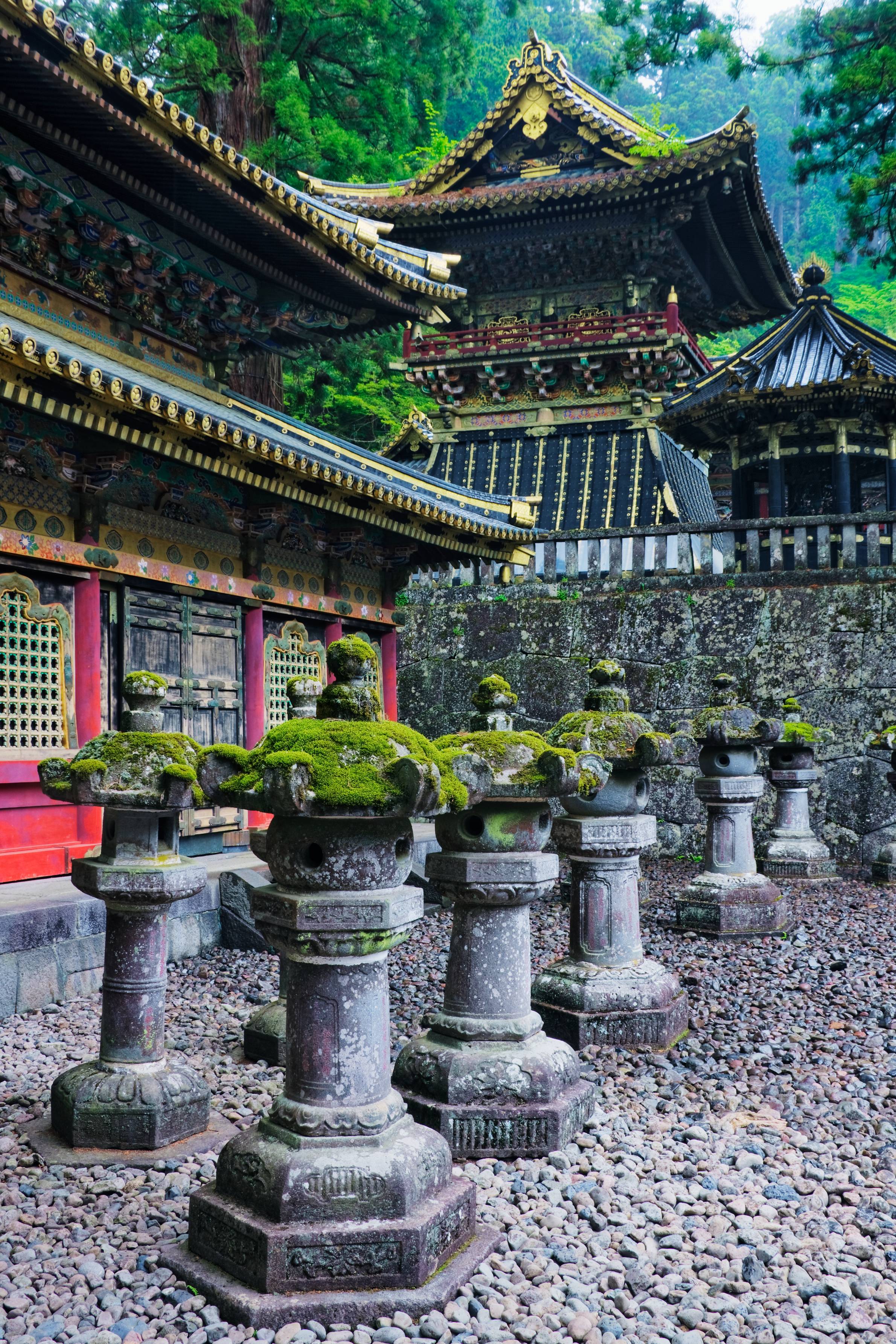
The shrine complex sprawls across the base of Mount Inari and extends up the mountain, covering approximately 233 hectares. It consists of the main shrine (honden), where the primary deity is worshipped, and multiple smaller sub-shrines.
which number in the thousands, each dedicated to different agricultural gods and spirits.
The architecture is characterized by its bright red color, contrasting beautifully with the greenery of the surrounding forest. Fushimi Inari Shrine is not just a place of beauty; it holds deep spiritual and cultural significance.
2. Nature and Hiking Trails

For nature enthusiasts and hikers, the trails leading through the torii gates and up Mount Inari offer a unique outdoor experience. The hike to the summit provides stunning views over Kyoto and the surrounding area.
Along the way, visitors will encounter numerous smaller shrines, fox statues (kitsune), which are thought to be Inari’s messengers, and traditional tea houses offering refreshments and a moment of rest.
A Symphony of Ice, Rock, and Water
Banff National Park, Canada’s oldest national park, is a UNESCO World Heritage Site that encapsulates the rugged beauty of the Canadian Rockies. Its landscape of glaciers, lakes, and mountains offers endless opportunities for outdoor activities and wildlife viewing.
- A lesser-known gem, Bow Lake’s crystal-clear waters.
- A hike through Johnston Canyon leads to mesmerizing waterfalls.
- The area is quieter than more famous spots.
- The park is home to a diverse array of wildlife.
Rome, the capital of Italy, is a city where the past and present coexist. Every corner of the city tells a story, from the grandeur of ancient Rome to the artistic masterpieces of the Renaissance and the Baroque.
Among Rome’s many ancient wonders, the Pantheon stands out for its remarkably preserved structure and the largest unreinforced concrete dome in the world. It’s a testament to the architectural ingenuity of the ancient Romans.
