




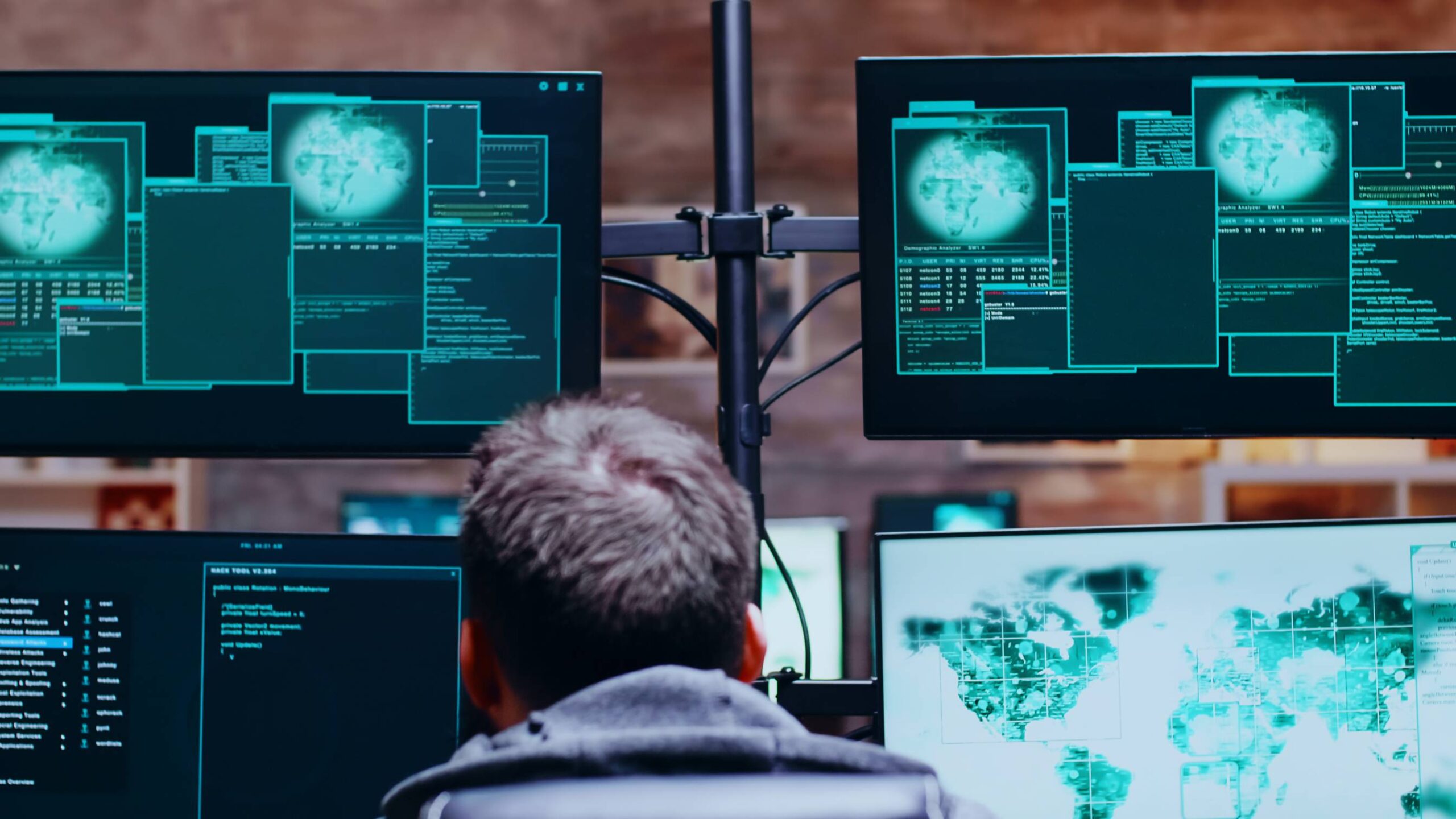
Digitalization has revolutionized our lives, offering convenience and connectivity like never before. However, with the rapid expansion of the digital realm, the battle for protection in the digital world has intensified.
Cybersecurity has emerged as a critical aspect of our modern lives, guarding against threats that have the potential to disrupt economies, breach privacy, and compromise national security.
In this comprehensive blog, we will delve into the intricacies of cyber security, exploring various facets and subtopics that play a crucial role in safeguarding our digital landscape.
The Evolution of Cyber Threats
To truly understand the gravity of the modern cybersecurity landscape, it’s essential to take a historical perspective. Cyber threats have evolved significantly over the years.
Understanding Cybersecurity
Cybersecurity, at its core, is the practice of protecting digital systems, networks, and data from theft, damage, or unauthorized access. It encompasses a wide range of techniques and technologies.
One must distinguish between cybersecurity and information security, as the two terms are often used interchangeably but have subtle differences in scope and focus.
Types of Cyber Threats

Here are some of the most common types of cyber threats:
- Malware: Malicious software, such as viruses, worms, Trojans, and ransomware, is designed to infect and compromise computer systems. Malware can steal data, disrupt operations, or extort money from victims.
- Phishing Attacks: Phishing involves deceptive tactics, often via email or fake websites, to trick individuals into revealing sensitive information, such as login credentials, credit card numbers, or personal details.
- Insider Threats: Insider threats originate from within an organization, where employees, contractors, or business partners misuse their access to compromise data or systems. This can be intentional or accidental.
Social engineering attacks manipulate human psychology to gain unauthorized access or information.
Zero-day vulnerabilities are software weaknesses that are not yet known to the vendor or the public. Cybercriminals exploit these vulnerabilities to launch attacks before security patches are available. APTs are sophisticated and long-term cyberattacks often carried out by state-sponsored or well-funded actors. They aim to infiltrate a target’s network, maintain access, and steal sensitive information over an extended period.
The Human Element in Cybersecurity
“The Human Element in Cybersecurity” underscores the critical role that individuals play in both the defense and vulnerability of digital systems and data.

On one hand, human error remains a leading cause of security breaches, whether it’s clicking on a malicious link in a phishing email or unintentionally exposing sensitive information. On the other hand, cybercriminals often exploit psychological vulnerabilities.
Cybersecurity Frameworks and Standards
In today’s interconnected world, where cyber threats loom large and data breaches can have far-reaching consequences, the need for robust cybersecurity measures is paramount.
Cybersecurity frameworks and standards provide a structured approach to addressing these challenges.
In this detailed explanation, we will explore the significance of cybersecurity frameworks and standards, understand some of the most widely recognized ones, and highlight their role in bolstering digital defenses.
The Importance of Cybersecurity Frameworks and Standards
- They provide a consistent and structured approach to managing cybersecurity risks.
- Many industries and governments require adherence to specific cybersecurity.
- These frameworks help organizations identify, assess.
1. Notable Cybersecurity Frameworks and Standards
Developed by the U.S. National Institute of Standards and Technology (NIST), this framework provides a comprehensive approach to managing and reducing cybersecurity risk. It consists of five core functions: Identify, Protect, Detect, Respond, and Recover. Organizations can align their cybersecurity efforts with these functions to enhance their security posture.
The International Organization for Standardization (ISO)
International Electrotechnical Commission (IEC) jointly developed ISO/IEC 27001. This standard defines the requirements for establishing, implementing, maintaining, and continually improving an Information Security Management System (ISMS).
2. GDPR (General Data Protection Regulation)

While not exclusively a cybersecurity framework, GDPR mandates strict data protection and privacy measures for organizations handling personal data of European Union (EU) citizens.
It emphasizes the importance of data protection by design and default, requiring organizations to implement robust security measures.
Implementing Cybersecurity Frameworks and Standards
This standard is crucial for organizations handling payment card data. It defines requirements for securing payment card transactions and data, reducing the risk of data breaches and financial fraud.
- Evaluate your organization’s current cybersecurity
- Choose the most appropriate framework or standard
- Identify the gaps between your current practices
- Develop a cybersecurity improvement plan
cybersecurity frameworks and standards are invaluable tools in the ongoing battle to protect digital assets and sensitive information.
They offer structured approaches to managing cybersecurity risks, ensuring compliance with industry regulations, and enhancing an organization’s overall security posture.


