




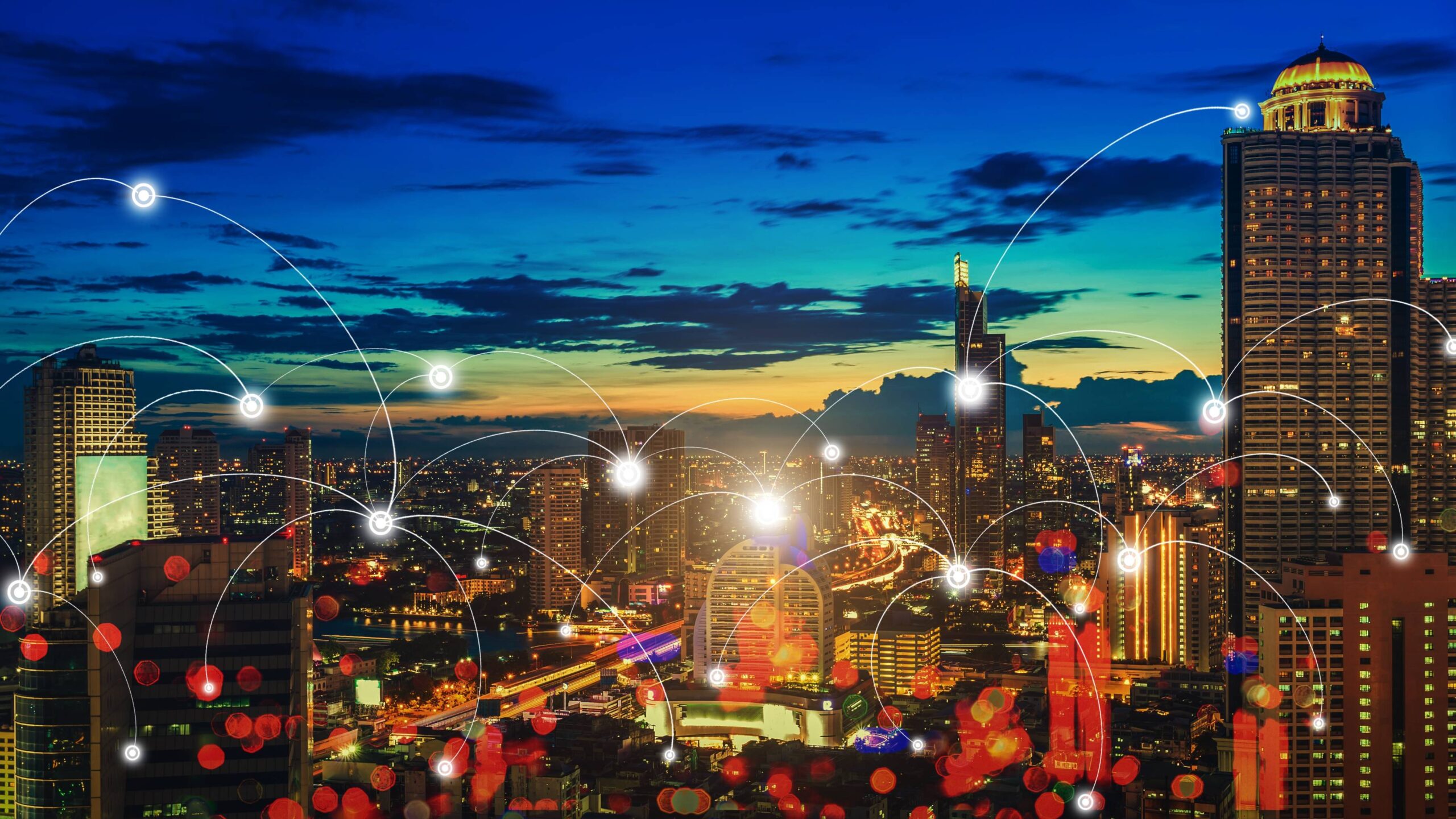
In an era characterized by rapid technological evolution, the Internet of Things (IoT) emerges as a groundbreaking paradigm, heralding a future where the boundary between the digital and physical worlds blurs.
At its core, IoT represents the concept of connecting any device with an on and off switch to the Internet (and/or to each other). This includes everything from cellphones, coffee makers.
The implications of this are profound, touching on various sectors including but not limited to smart homes, healthcare, agriculture, and industrial automation.
The Anatomy of IoT
“The Anatomy of IoT” is a conceptual framework that breaks down the complex ecosystem of the Internet of Things (IoT) into its core components. Understanding these components is crucial for grasping how IoT systems function, from data collection to action.
Sensors and Devices
At the heart of any IoT system lie the sensors and devices, which are essentially the “things” in the Internet of Things. These can be as simple as a temperature sensor in a room or as complex as a multi-functional smartwatch.
What distinguishes these devices in the context of IoT is their ability to collect data from their environment. This data could be anything from temperature readings, light levels, motion detection, heart rate measurements, to GPS location.
Connectivity

Here’s a detailed look into the connectivity component of IoT, broken down into key points:
- Short-range Wireless: Technologies like Bluetooth, Zigbee, and Wi-Fi fall under this category. They are ideal for applications requiring data transmission over relatively short distances, such as within a home or building.
- Long-range Wireless: Cellular networks (3G, 4G, LTE, and 5G) and Low Power Wide Area Networks (LPWAN) such as LoRaWAN and NB-IoT are designed for long-distance communication.
- Wired Connections: In some scenarios, wired connections like Ethernet may be used, especially where stability and high-speed data transmission are critical, such as in industrial IoT systems.
The required distance over which data needs to be transmitted directly impacts the choice of connectivity.
The amount of data being transmitted and the speed at which it needs to be sent vary across IoT applications. High-definition video streaming from a security camera requires more bandwidth than transmitting temperature readings from a sensor.
Emerging Connectivity Technologies
The latest generation of cellular networks promises high-speed data transmission, reduced latency, and the ability to connect a vast number of devices

These are types of LPWAN technologies that leverage existing cellular infrastructure to provide wide-area connectivity with better indoor coverage and lower power consumption than traditional cellular networks.
Challenges in Connectivity
With a plethora of connectivity options, ensuring devices and systems can communicate seamlessly across different technologies and standards is a challenge.
As IoT networks grow, maintaining performance, managing costs, and ensuring the network can support an increasing number of devices is crucial.
Ensuring secure transmission of data and protecting against unauthorized access are ongoing concerns, particularly as the number of connected devices continues to rise.
Data Processing and Analytics
- The raw data often contains errors, duplicates, or irrelevant information.
- Cleaning involves removing these inaccuracies to improve data quality.
- This process scales the data to a small, specified range to treat all variables equally in the subsequent analysis.
1. Data Transmission

Once collected and preprocessed, data is transmitted to a centralized system or cloud server where further processing can occur. This step is crucial for distributed IoT systems where devices are scattered over various locations.
IoT systems generate massive volumes of data.
Some IoT applications require immediate analysis and response, such as alerting systems or dynamic pricing models. Real-time analytics processes data on-the-fly, providing instant insights.
2.Machine Learning and AI
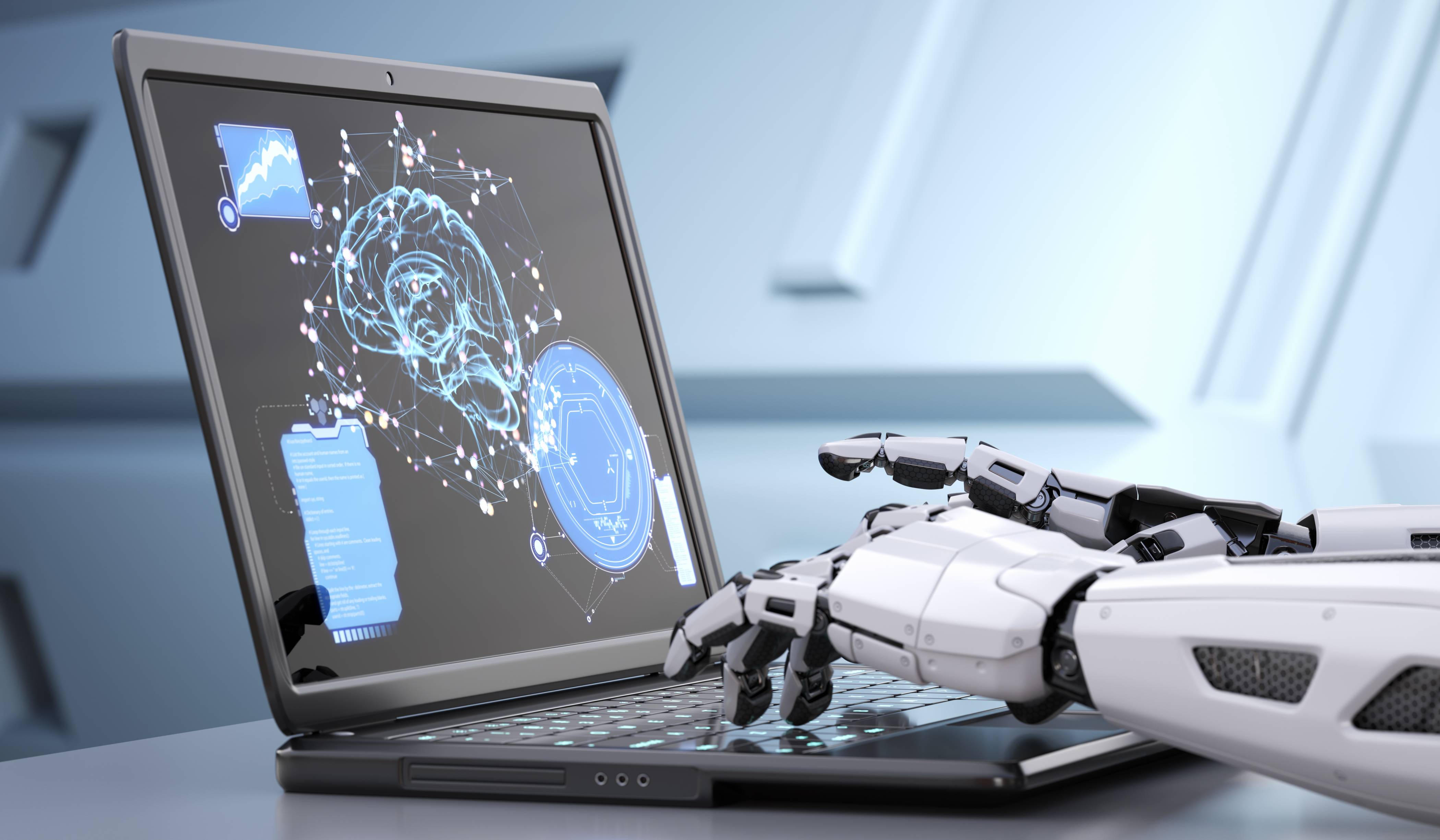
Machine learning algorithms learn from the data, identifying patterns and making decisions with minimal human intervention. AI enhances IoT systems with capabilities like predictive maintenance, anomaly detection, and automated decision-making.
Visual representations of analyzed data, such as dashboards, graphs, and maps, provide intuitive insights to users, helping them understand complex data sets and make informed decisions.
Navigating Through Challenges
The industrial sector benefits from IoT through enhanced operational efficiency. Real-time monitoring of machinery, predictive maintenance, and optimized resource management are just a few ways IoT is transforming manufacturing and supply chain processes.
- The proliferation of IoT devices increases the attack surface for cyber threats.
- With a multitude of devices from various manufacturers.
- The vast amounts of data generated by IoT devices necessitate advanced.
- Efficiently processing, storing, and analyzing this data to extract meaningful.
The confluence of IoT with artificial intelligence (AI) and machine learning will usher in an era of smarter devices capable of autonomous decision-making, predictive analytics, and personalized user experiences.
the Internet of Things represents a pivotal shift towards a more connected and intelligent world. As we navigate its challenges and harness its potential, IoT stands ready to revolutionize industries.


