



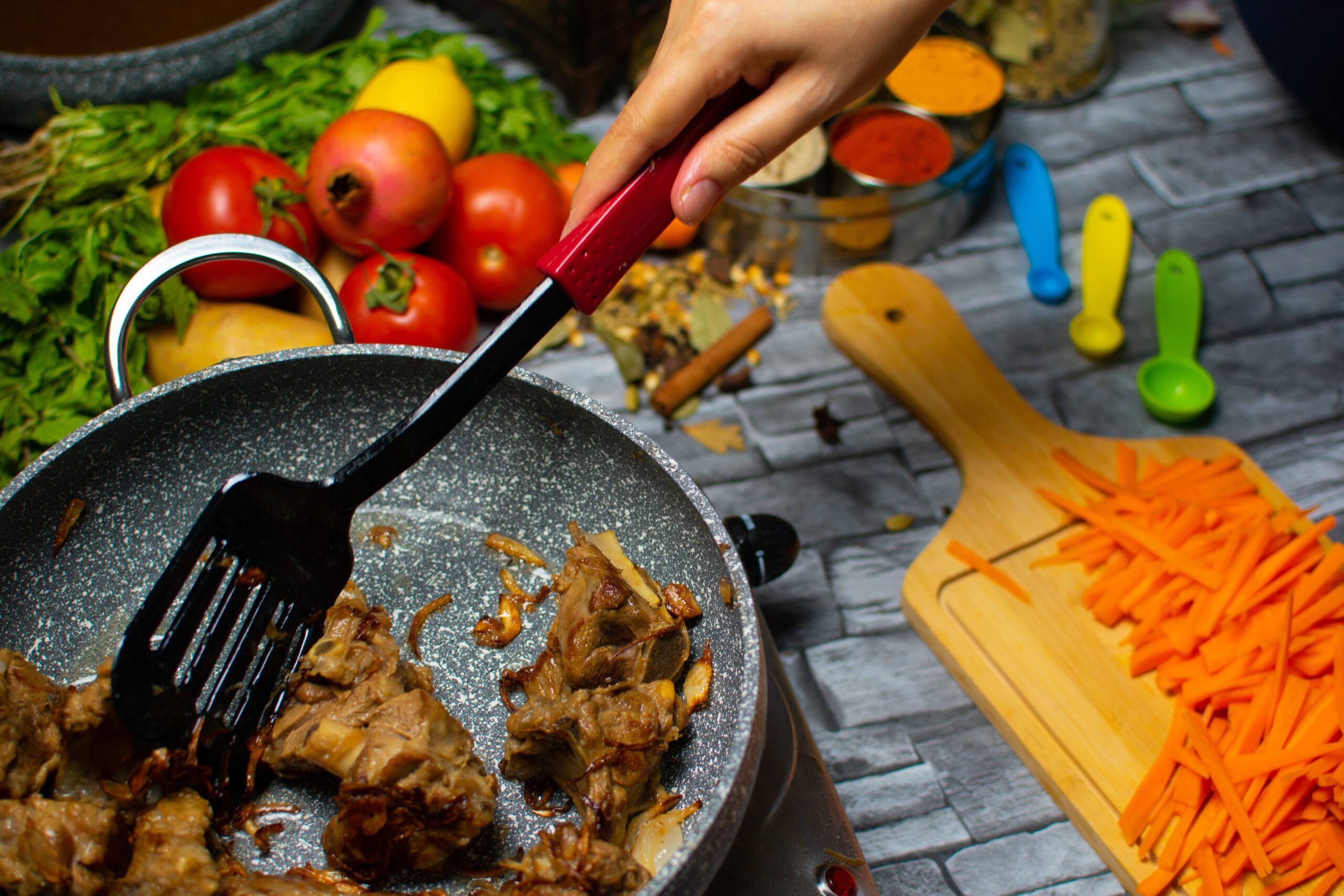
The debate between home cooking and restaurant food is as old as the concept of eating out itself. With the evolution of culinary practices, food delivery services, and a growing awareness of health and nutrition.
It now encompasses a wide range of considerations including nutritional content, the psychological impacts of cooking, economic factors, and even environmental sustainability.
This article aims to offer an exhaustive comparison of home-cooked meals and restaurant food, focusing on health and taste but also weaving through the socio-economic and environmental threads that make up the fabric of our eating habits.
Nutritional Value: A Deep Dive
The “Nutritional Value: A Deep Dive” section examines the intricate relationship between the food we eat and its impact on our health, emphasizing the significant differences in nutritional content between home-cooked meals and restaurant food.
Home Cooking
Home cooking allows for a granular level of control over what goes into your food. This control is crucial in managing dietary needs, allergies, and preferences.
A home kitchen becomes a personal lab where the nutritional content of a meal can be tailored to support specific health goals, such as reducing sugar intake or increasing protein content.
Restaurant Food

Restaurant meals, while sometimes nutritionally rich, can be unpredictable.
- Unpredictable Nutritional Content: Restaurant meals can vary greatly in their nutritional value, with many dishes containing hidden calories that are not immediately apparent to the diner.
- Hidden Calories: Even dishes marketed as healthy options can be laden with additional calories due to the use of dressings, cooking oils, and specific preparation methods that aim to enhance flavor
- Rise of Health-Conscious Eateries: There is a growing trend of restaurants that focus on health and nutrition, offering menus designed to cater to the nutritional needs and preferences of their customers.
The section discussing the nutritional considerations of restaurant food
An increasing number of restaurants now include nutritional information alongside their menu items. This transparency allows patrons to make informed decisions about their food choices based on caloric intake, macronutrient distribution, and other dietary factors.
Specialized Dietary Cuisines
Restaurants specializing in specific dietary cuisines (such as vegan, keto, or paleo) provide options that cater to the dietary restrictions and preferences of their patrons.

This trend is a response to the increasing awareness and demand for meals that align with various health, ethical, or nutritional goals. Here’s a deeper look into what constitutes specialized dietary cuisines and their significance in today’s culinary landscape
Specialized Dietary Cuisines
Excludes all animal products, including dairy, eggs, and honey, catering to those following a vegan lifestyle for health, ethical, or environmental reasons.
Focuses on high-fat, adequate-protein, and low-carbohydrate dishes suitable for individuals following the ketogenic diet, aiming to induce a state of ketosis in the body.
Offers dishes without gluten, catering to individuals with celiac disease, gluten sensitivity, or those choosing to avoid gluten for other health reasons.
Importance and Impact
- specialized dietary cuisines provide vital options for individuals with specific health conditions.
- By offering menus tailored to specific dietary preferences.
- Restaurants focusing on specialized dietary cuisines often play a role in educating.
1. Ethical and Environmental Considerations

For many, choosing a specialized diet is not only about health but also ethical and environmental concerns. Vegan and sustainable seafood restaurants, for instance, cater to patrons concerned about animal welfare and environmental sustainability, aligning their dining choices with their values.
Despite their growing popularity, restaurants offering specialized dietary cuisines.
The need for staff training on dietary restrictions, and the potential for a limited customer base. However, the increasing demand for such cuisines suggests that more restaurants will continue to adapt and cater to these specialized dietary needs.
2. The Spectrum of Taste

The taste of home-cooked meals is often infused with comfort and nostalgia, tailored to personal and familial taste preferences.
The act of cooking at home also provides a canvas to experiment with flavors and techniques, allowing for a personalized culinary journey. However, the scope of culinary exploration at home can be limited by the cook’s skill level and access to ingredients.
Health Implications: Beyond Nutrition
The act of cooking at home has been linked to numerous health benefits beyond the nutritional content of the meals themselves. Studies suggest that people who frequently cook at home consume fewer calories on average, even when eating out..
- The process of planning, preparing, and cooking meals also fosters a healthier relationship with food
- While dining out can be a delightful experience, frequent consumption of restaurant meals
- The portion sizes, high caloric density, and the seductive appeal
- The process of planning, preparing, and cooking meals also fosters a healthier.
Though time-consuming, cooking at home is undeniably kinder to the wallet. The cost per meal is generally lower, especially for families or individuals who meal prep.
However, the time investment required for meal planning, shopping, cooking, and cleaning can be significant, representing a trade-off between time and financial savings.