




In recent years, the Mediterranean diet has emerged as a beacon of health-conscious eating, captivating the attention of nutritionists, health enthusiasts, and food lovers alike.
Originating from the traditional dietary patterns of countries bordering the Mediterranean Sea, this dietary approach has garnered widespread acclaim for its emphasis on fresh, whole foods, and its potential to promote overall well-being.
In this expansive guide, we embark on a journey through the intricate nuances of the Mediterranean diet, unraveling its rich history, dissecting its core principles, and delving deep into its myriad health benefits.
Understanding the Mediterranean Diet
The Mediterranean Diet traces its origins back to the dietary patterns of ancient civilizations that flourished around the Mediterranean Sea, including the Greeks, Romans, and Egyptians.
Greek Influence
Ancient Greek cuisine, known for its emphasis on simplicity and freshness, laid the foundation for many aspects of the Mediterranean Diet.
Greek philosophers like Hippocrates recognized the link between diet and health, advocating for moderation and balance in eating habits.
Core Principles

The Mediterranean Diet is characterized by several key principles that define its nutritional framework and lifestyle approach:
- Plant-Based Emphasis: The diet revolves around plant-based foods, including fruits, vegetables, legumes, nuts, seeds, and whole grains. These foods are rich in vitamins, minerals, fiber, and antioxidants, promoting overall health and well-being.
- Healthy Fats: Olive oil is the primary source of fat in the Mediterranean Diet, providing monounsaturated fats and antioxidants. Other sources of healthy fats include nuts, seeds, and fatty fish like salmon and sardines.
- Moderate Protein Intake: While the diet is predominantly plant-based, it includes moderate amounts of lean protein sources such as poultry, eggs, dairy, and legumes. Fish and seafood are favored over red meat.
Flavorful herbs and spices are used liberally in Mediterranean cooking, enhancing the taste of dishes.
In moderation, wine is often enjoyed with meals in Mediterranean cultures, particularly red wine, which contains antioxidants like resveratrol. However, it’s essential to emphasize moderation and avoid excessive alcohol consumption.
Cultural Significance
Beyond its nutritional merits, the Mediterranean diet holds profound cultural significance for the communities that embrace it.

In Mediterranean countries, food is more than just sustenance; it is a reflection of identity, heritage, and values. Traditional recipes are treasured heirlooms, passed down from generation to generation, with each dish embodying a unique blend of history, culture, and flavor.
Unique blend of history, culture, and flavor.
The Mediterranean diet also embodies a philosophy of mindful eating, encouraging individuals to savor each bite with gratitude and appreciation for the nourishment it provides. Meals are savored slowly, allowing time for conversation, laughter, and connection.
Furthermore, the Mediterranean diet is deeply rooted in the rhythms of nature, with meals tailored to the changing seasons.
This connection to the land and sea fosters a sense of stewardship and sustainability, ensuring that future generations will continue to enjoy the abundance of the Mediterranean diet for years to come.
Mediterranean Diet Food List
- Rich in lycopene, vitamins C and K, and potassium.
- Spinach, kale, Swiss chard, and other leafy greens are packed with vitamins.
- Whether enjoyed whole, pressed into oil.
1. Whole Grains

From whole wheat bread and pasta to bulgur and couscous, whole wheat grains provide fiber, B vitamins, and minerals, promoting digestive health and satiety. Oats are a nutritional powerhouse, packed with soluble fiber, which helps lower cholesterol levels and stabilize blood sugar, making them an ideal breakfast choice.
Nutty and chewy, barley is a versatile grain used in soups.
A type of ancient wheat grain, farro is rich in protein, fiber, and nutrients, making it a nutritious addition to salads, risottos, and grain bowls.
2. Healthy Fats
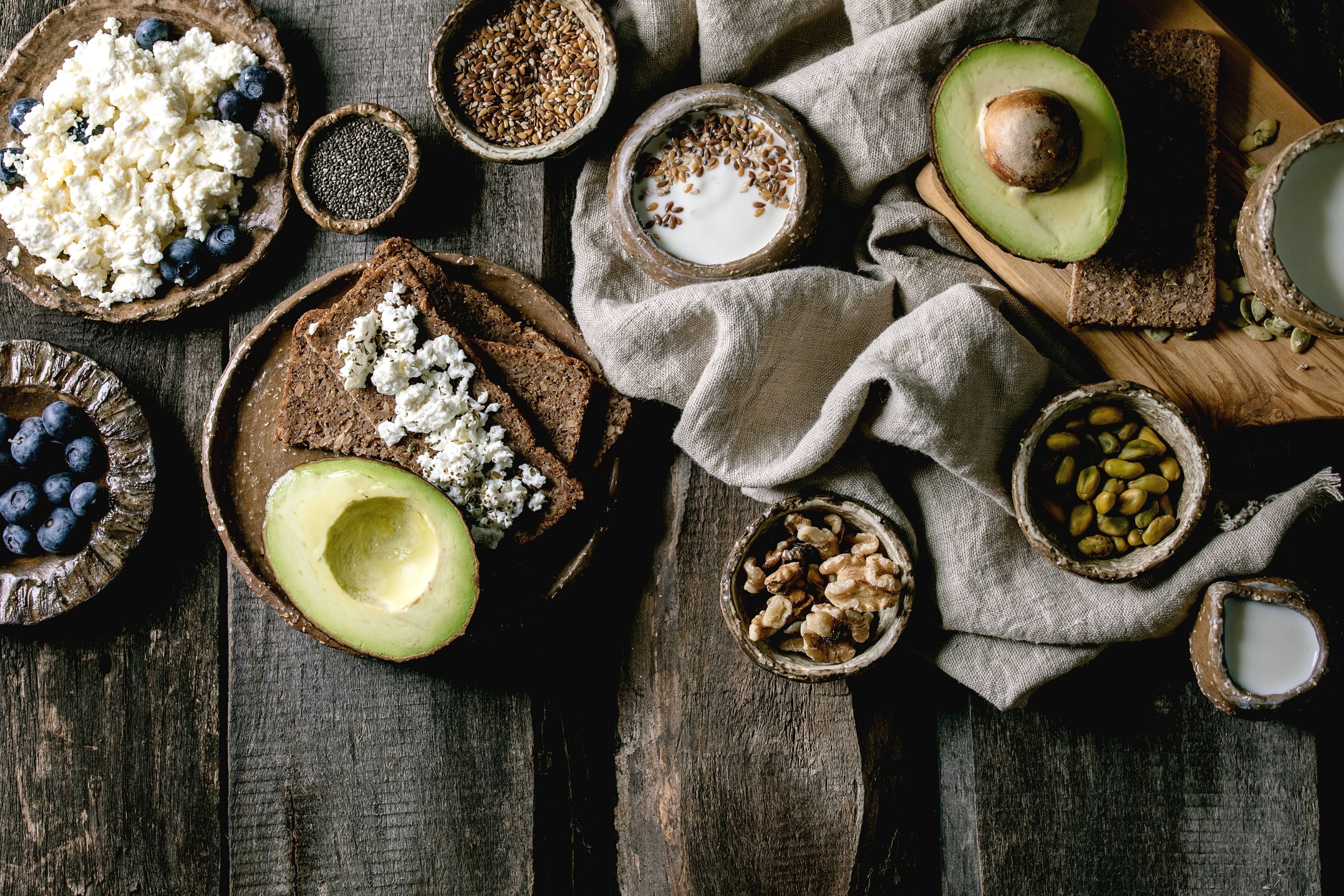
Extra virgin olive oil is the cornerstone of Mediterranean cooking, prized for its rich flavor, antioxidant properties, and numerous health benefits. Whether drizzled over salads, used in cooking, or as a dip for bread, olive oil adds depth and richness to dishes.
Almonds, walnuts, pistachios, and other nuts and seeds are packed with heart-healthy fats, protein, and fiber, making them an ideal snack or addition to salads, yogurt, and baked goods.
Health Benefits of the Mediterranean Diet
Cardiovascular Health: Numerous studies have highlighted the cardiovascular benefits of the Mediterranean diet, with research suggesting that adhering to this dietary pattern may reduce the risk of heart disease, stroke, and other cardiovascular conditions.
- In an era plagued by obesity and weight-related health issues
- Rather than focusing on deprivation or strict rules
- the Mediterranean diet encourages a balanced approach to eating.
- By prioritizing whole grains, lean proteins.
Furthermore, the Mediterranean lifestyle, which includes regular physical activity.
Emerging research suggests that the Mediterranean diet may also confer cognitive benefits, reducing the risk of cognitive decline and neurodegenerative diseases such as Alzheimer’s.