



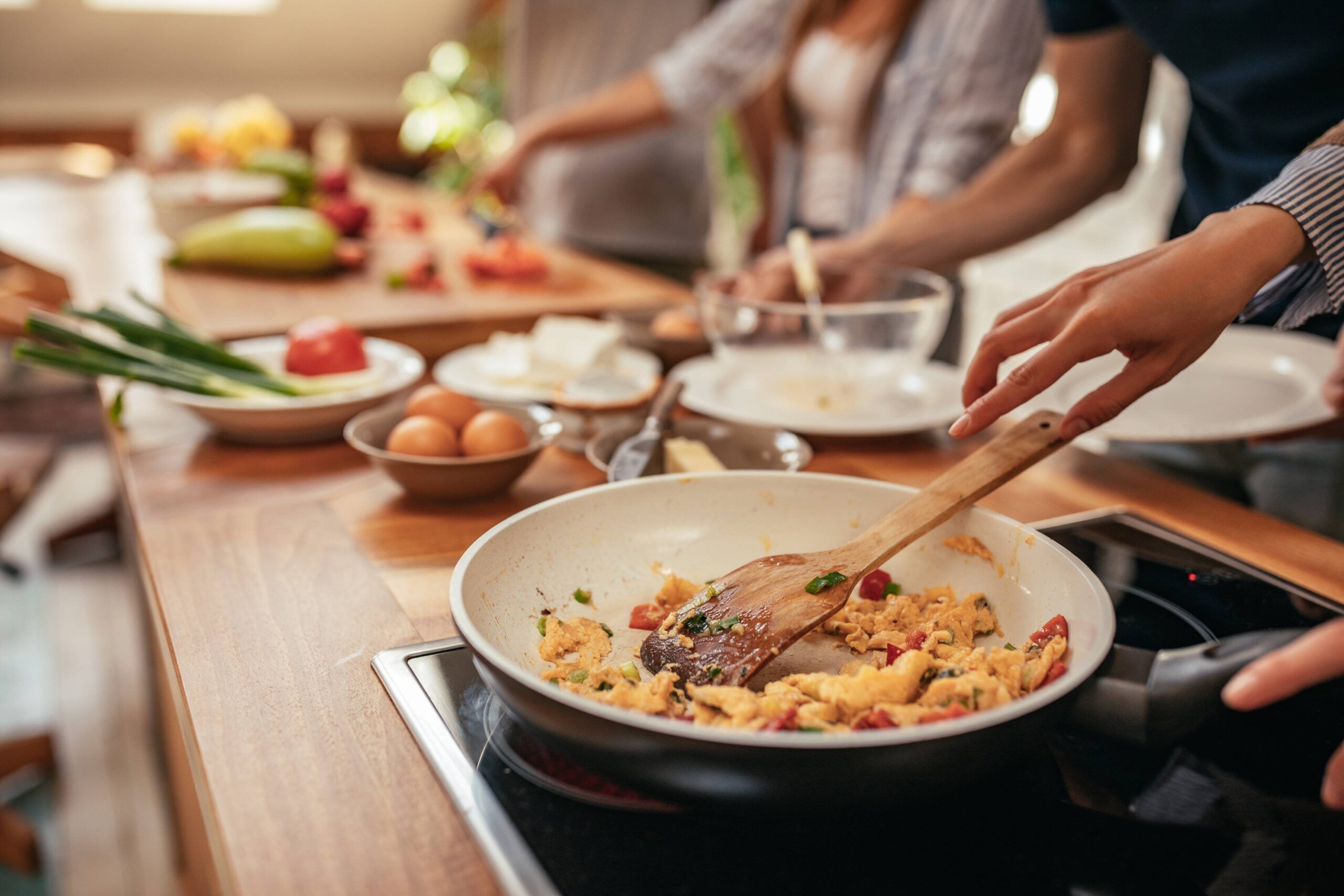
Cooking, a blend of science and art, is a skill that evolves with experience and experimentation. Enhancing your culinary prowess doesn’t necessarily mean mastering complicated techniques or using exotic ingredients.
Sometimes, simple adjustments and mindful practices can significantly uplift the quality of your dishes. Here’s a deeper dive into the top 5 cooking tips that everyone should try, offering a more detailed exploration for those keen on refining their cooking journey.
Here are the top 5 cooking tips that everyone, from novices to seasoned chefs, should try to enhance their cooking repertoire. there are always new techniques and tips that can elevate your culinary skills.
Master the Art of Mise en Place
The art of Mise en Place, a cornerstone of professional cooking, is a practice that when mastered, can transform the home cooking experience from chaotic and stressful to seamless and enjoyable.
The Essence of Mise en Place
At its core, Mise en Place is about breaking down recipes into individual steps and preparing the ingredients and tools needed before cooking begins. This method ensures that once the cooking process starts.
The focus can remain on cooking rather than on pausing to chop an onion or measure out spices. The benefits of adopting this approach are multifold:
Implementing Mise en Place in Home Cooking
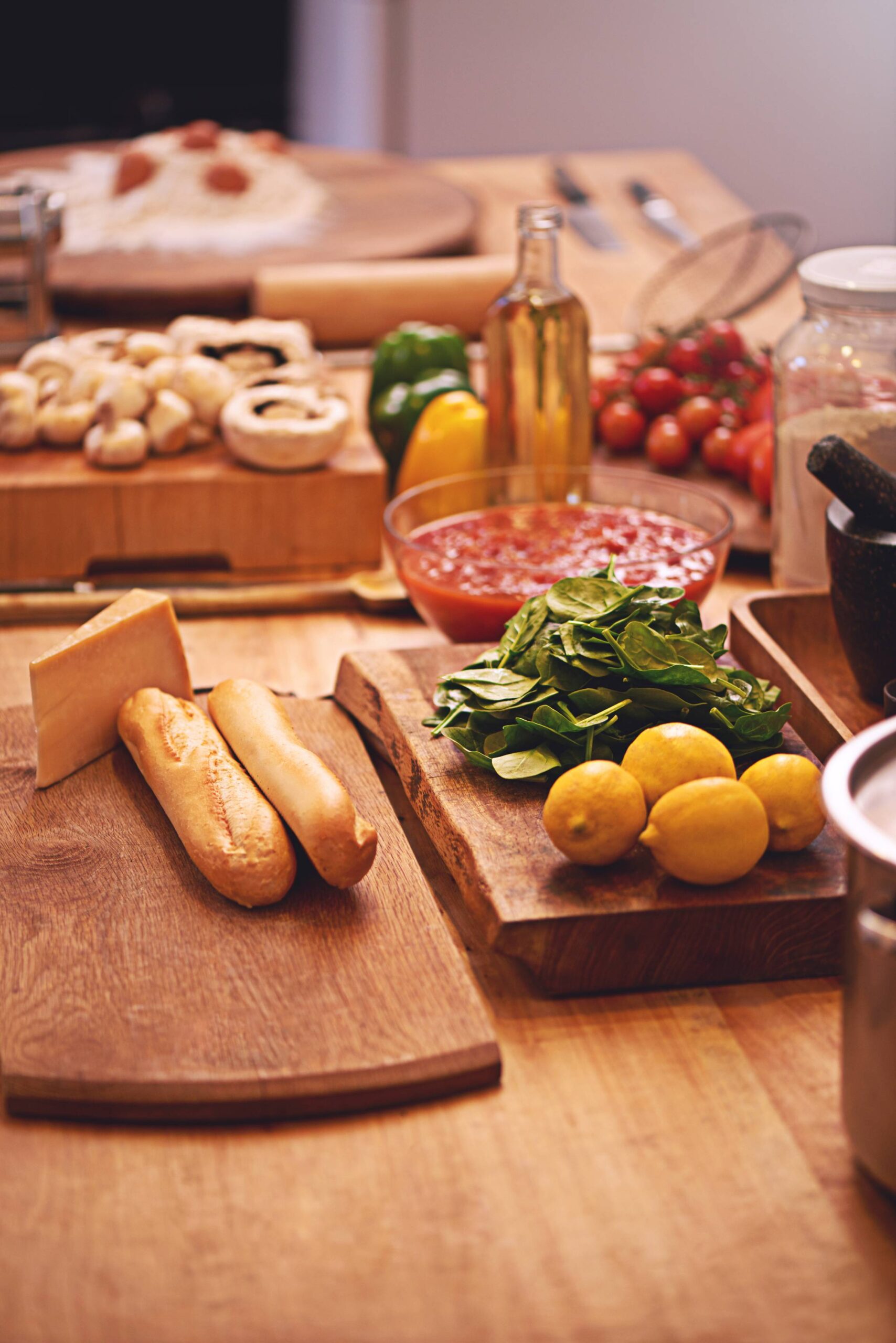
It just needs a bit of planning and organization. Here’s how to get started:
- Read the Recipe Thoroughly: Before doing anything else, read through the entire recipe to understand the steps involved and identify the ingredients and equipment you will need.
- Prepare Ingredients: Based on the recipe, start by washing, chopping, dicing, or measuring out each ingredient. Place each ingredient in separate bowls or dishes, grouping them if they’ll be added to the dish at the same time.
- Organize Tools and Equipment: Along with ingredients, ensure that all the pots, pans, utensils, and equipment you’ll need are clean and within easy reach. This includes preheating the oven or setting up a food processor before you begin.
A cluttered kitchen can hinder your efficiency. Clear your countertops and sink, and have a waste bin nearby for scraps.
The practice of Mise en Place extends beyond just ingredient preparation. It instills discipline and mindfulness into cooking, encouraging cooks to approach each recipe with respect and attention. This mindful approach to cooking not only elevates the quality of the food but also enhances the overall experience, turning meal preparation into a moment of creativity and calm.
Learn to Season Properly
Seasoning is the soul of cooking. It’s what differentiates a bland meal from an unforgettable culinary experience. Salt is the cornerstone of seasoning, enhancing and amplifying the natural flavors of the ingredients.

Salt interacts with food at a molecular level, enhancing its aroma and taste. The key is to use the right amount at the right times during cooking. For instance, salting water for pasta or vegetables helps flavor the food from the inside out.
Invest in Quality Cookware
Quality cookware is an investment in your culinary future. The right tools can make a significant difference in the outcome of your dishes and the overall cooking experience.
Different materials are suited for different tasks. For instance, stainless steel is excellent for searing and browning, while copper provides superior heat conductivity for precise temperature control.
Investing in quality cookware also means committing to proper care. Learn how to clean and maintain each piece, whether it’s seasoning a cast iron skillet or hand-washing.
Don’t Overcrowd the Pan
- This chemical reaction between amino acids and reducing.
- Adequate space in the pan is essential for this reaction to occur.
- If you’re cooking in batches, keep the first batch warm.
1. Embrace the Power of Fresh Herbs and Spices
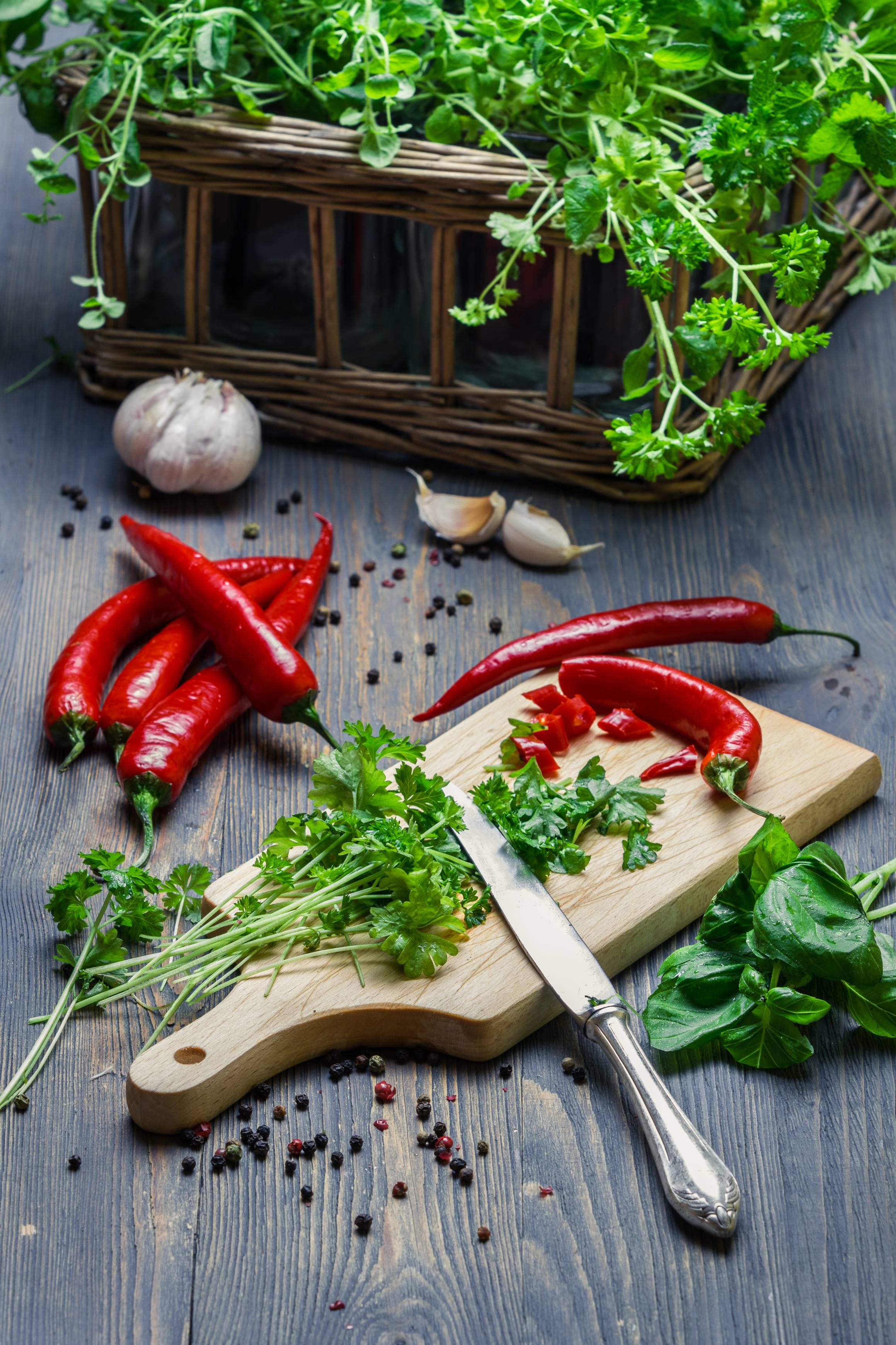
Embracing the power of fresh herbs and spices is akin to unlocking a treasure trove of flavors, aromas, and colors that can transform a simple dish into a culinary masterpiece. Fresh herbs and spices not only elevate the taste of food but also enrich it with their health benefits and aesthetic appeal.
This deeper exploration of their significance will shed light on why and how incorporating fresh.
Fresh herbs and spices offer a burst of flavor that dried versions sometimes cannot match. Their essential oils, which are at their peak just after harvesting, provide a depth and complexity of flavor that can elevate even the simplest of dishes.
2. Implementing Fresh Herbs and Spices in Cooking
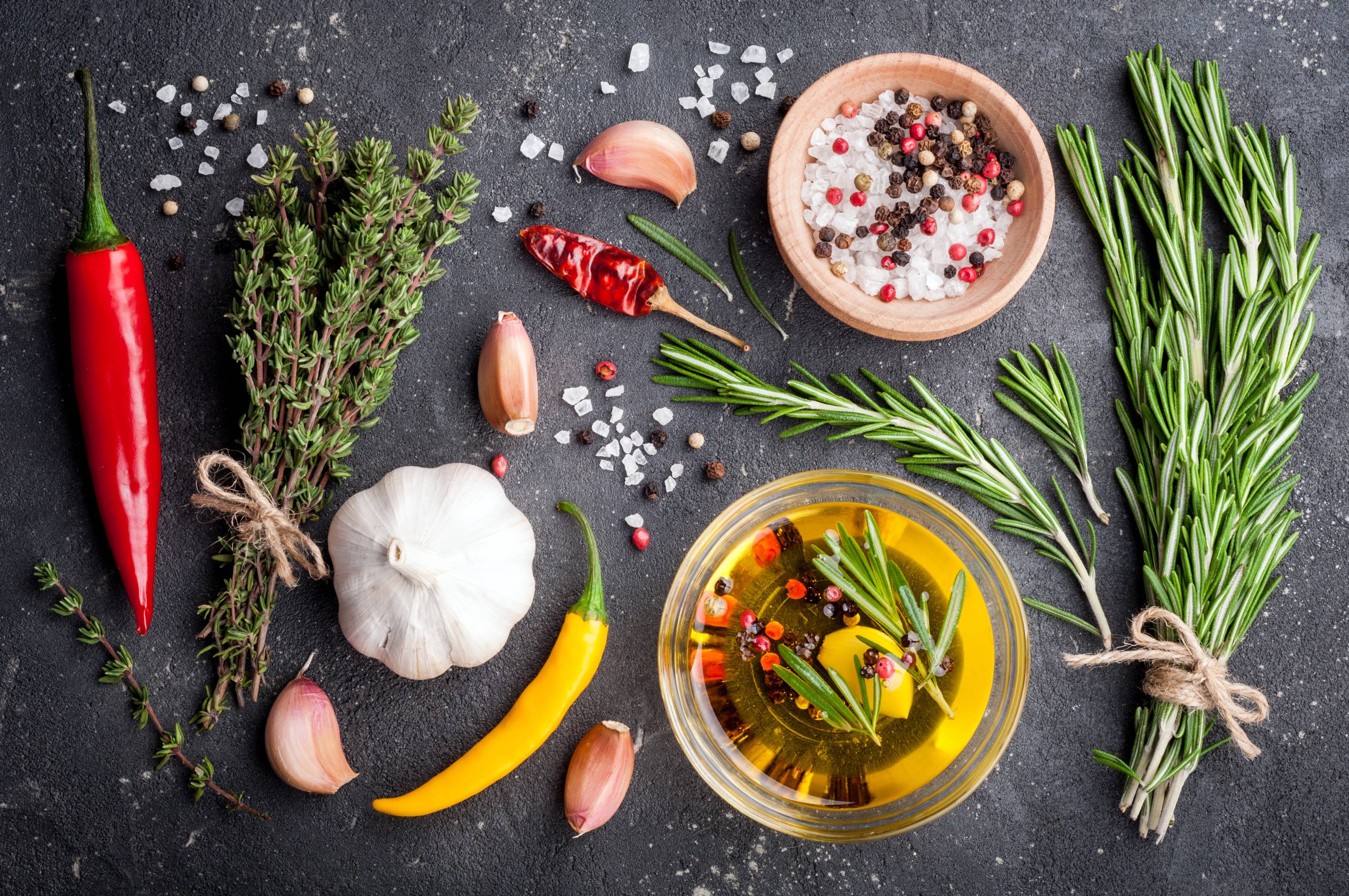
Each herb and spice has its own unique flavor profile, which can complement or enhance certain ingredients. Learning which herbs and spices pair well with specific types of dishes is key.
To make the most out of fresh herbs, it’s important to add them at the appropriate time during the cooking process. Delicate herbs like basil and cilantro should be added towards the end to preserve their flavor.
Growing Your Own
One of the most rewarding ways to ensure a constant supply of fresh herbs and spices is to grow them yourself. Whether you have a full garden or just a small windowsill, many herbs are easy to grow and maintain. To extend the shelf life of fresh herbs, store them properly. Most soft-stemmed herbs can be kept in a glass of water in the refrigerator, much like a bouquet of flowers, while hardy herbs can be wrapped in a damp paper towel and stored in a plastic bag.
- Begin with easy-to-grow herbs like basil, mint, or chives.
- As you gain confidence, you can expand your herb garden.
- If space is limited, many herbs grow well in containers.
- Making them perfect for balconies or windowsills.
Regular harvesting encourages growth and ensures that you always have fresh herbs on hand. Plus, the act of caring for and harvesting your own herbs adds a personal touch to your cooking that can be incredibly satisfying.
Embracing the power of fresh herbs and spices is more than just a culinary practice; it’s a journey into the heart of cooking itself. By understanding how to select, store, and use these natural flavor enhancers.